
Plants
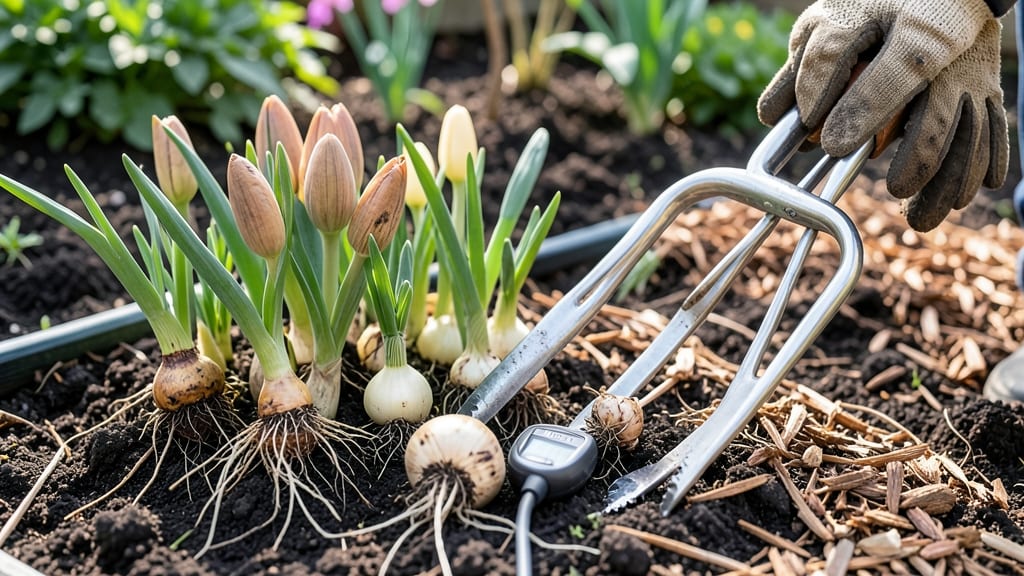
Timing your Indiana bulb planting just right means the difference between a garden bursting with 🌷 spring color and a season of disappointment. If you’ve ever watched your tulips or daffodils fail to bloom—or worse, rot in the ground—you know how frustrating it can be.
The key lies in understanding Indiana’s USDA Zone 6a climate, where frost can strike as early as October or as late as April. Plant too soon, and your bulbs may sprout before winter’s chill sets in.
Plant too late, and they won’t get the 12-16 weeks of cold they need to bloom properly. But here’s the good news: with the right timing, you can turn your garden into a zero-frost success story.
In this guide, I’ll break down the exact windows for planting spring-blooming bulbs—like tulips and crocuses—in both fall (September-October) and early spring (March-April). You’ll learn how to adjust for Indiana’s unpredictable frosts and which varieties thrive best in your region.
Ready to transform your garden into a vibrant display of color? Let’s dive into the science—and the secrets—of planting bulbs the smart way.
Indiana bulb planting timeline: chill-hour requirements by seasonal variety
Timing your bulb planting in Indiana isn’t just about avoiding frost—it’s about matching each variety’s chill-hour needs to our USDA zones 5-6. Most spring-blooming bulbs need 12-16 weeks of cold dormancy, while summer-blooming types (like dahlias) prefer late winter planting when soil temps hit 50°F.
Indiana’s first frost typically arrives around October 20, giving you a 6-week window (mid-September to mid-October) to plant most bulbs before the ground freezes. Summer-blooming bulbs, however, should go in March-April, just as soil thaws but before last-frost dates (usually April 15).
🌱 Indiana Bulb Planting Summary Table
| Bulb Type | Planting Window | Chill Hours Needed | Bloom Time | Indiana Notes |
|---|---|---|---|---|
| Tulips | Mid-Sept to Oct 15 | 12-16 weeks | April-May | Plant Darwin Hybrids for deer resistance. |
| Daffodils | Oct 1-Nov 1 | 12-15 weeks | March-April | ‘Ice Follies’ tolerates wet soils. |
| Hyacinths | Oct 15-Nov 1 | 14-16 weeks | April-May | Plant in full sun for best fragrance. |
| Crocuses | Sept-Oct 15 | 8-12 weeks | March-April | Early bloomers; deer-proof. |
| Dahlias | March-April | None (warm-season) | July-Sept | Wait until soil reaches 50°F. |
| Alliums | Sept-Oct 15 | 10-12 weeks | May-June | Drought-tolerant; pollinator magnet. |
For northern Indiana (USDA zone 5), aim to plant 2-3 weeks earlier than the table suggests, while southern Indiana (zone 6) can extend windows by 1-2 weeks. Always check soil temperatures—bulbs rot if planted in warm soil (above 60°F).
Pro tip: Use a soil thermometer to confirm 50-60°F soil temps before planting. In urban areas like Indianapolis, heat islands can delay frost, so monitor local forecasts. Mulch with straw (3 inches) after planting to insulate bulbs through winter.
If you miss the fall window, many bulbs (like tulips and daffodils) can be planted in early spring (March-April), though blooms may be smaller or delayed. Summer-blooming bulbs like gladiolus must go in after last frost—never before!
Indiana’s lake-effect zones (near Lake Michigan) often experience later frosts, so adjust planting dates 1-2 weeks later in these areas. For example, Gary or Valparaiso gardeners should wait
How to adjust planting dates for Indiana’s microclimates and frost patterns
Indiana’s microclimates can make all the difference between a zero-frost success and bulbs that fail to thrive. For example, urban heat islands like Indianapolis can experience 10°F warmer soil temps than rural areas, delaying frost by 1-2 weeks.
Meanwhile, lake-effect zones near Lake Michigan (like Gary or Valparaiso) often see later frosts due to moisture retention.
Use these microclimate adjustments to fine-tune your planting schedule. In northern Indiana (zone 5), plant 2-3 weeks earlier than the standard timeline. In southern Indiana (zone 6), you can extend windows by 1-2 weeks—but always verify soil temperatures with a thermometer.
⚠️ Microclimate Warning
If you’re in a low-lying area or near a large body of water, expect earlier frosts. Plant crocuses and snowdrops by September 15—they’re the most frost-tolerant bulbs and can handle light freezes.
Avoid planting tulips or hyacinths after October 15 in these zones—they won’t get enough chill hours before winter sets in.
For urban gardeners, monitor local weather alerts—heat from pavement and buildings can create false springs, tricking bulbs into sprouting too early. If temperatures dip below 32°F after sprouting, cover new growth with straw or burlap to protect tender shoots.
In rural or wooded areas, frost lingers longer due to shade and moisture retention. Wait until soil temps drop below 60°F before planting—this usually aligns with late September to early October. Use a soil thermometer to confirm; planting in warm soil causes bulbs to rot.
If you’re near Lake Michigan, adjust your timeline 1-2 weeks later than the general guidelines. The lake’s moderating effect delays frost, but it also means humidity stays high—opt for drought-tolerant varieties like alliums or garlic to avoid rot.
For a backup plan, keep a few bulbs in refrigerated storage (35-40°F) until Marchtulips or daffodils in early spring if fall planting was missed. Just remember: spring-planted bulbs may bloom smaller or later.