
Plants
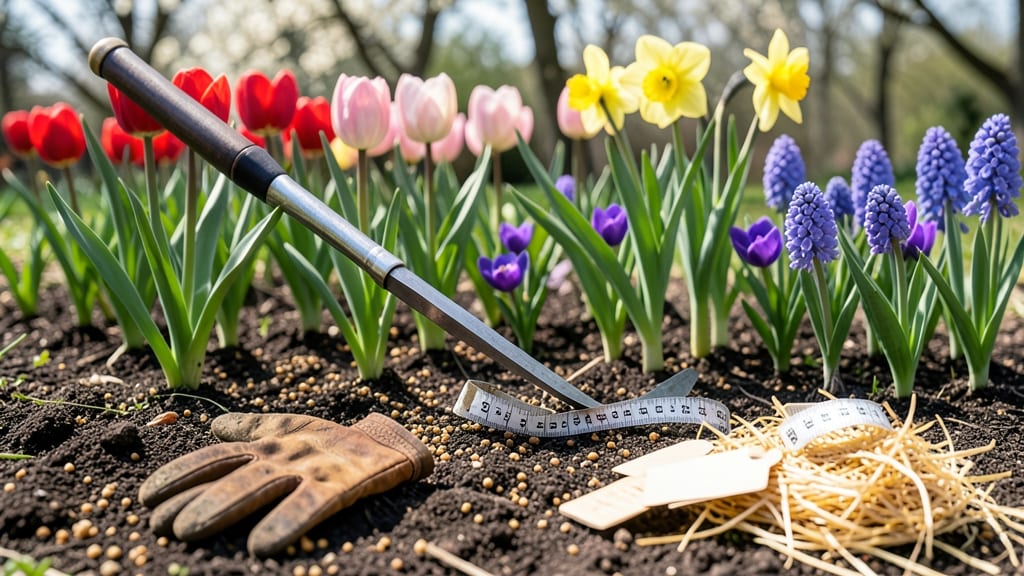
Timing when to plant bulbs in Kentucky just right could mean the difference between a garden bursting with color and a sad, wilted disappointment. Those 6a-7a zone frost dates aren't just numbers - they're your garden's secret code to success.
Plant too early, and your bulbs might rot before winter sets in. Too late, and they won't have enough time to establish roots before the ground freezes. The perfect window—September through November—gives these hardy plants exactly what they need: cool soil and protection from Kentucky's unpredictable weather patterns.
I've seen firsthand how a few weeks can change everything - from vibrant tulips to daffodils that barely peek through the soil. The key isn't just knowing when to plant, but understanding how your specific microclimate affects those ideal dates.
Let me show you exactly how to read your soil, adjust for your yard's unique conditions, and give your bulbs the best possible start for next spring's stunning display. Your future garden will thank you.
Kentucky’s frost zones & ideal bulb planting months by type
Kentucky spans USDA zones 6a-7a, where frost-free dates and soil temperatures dictate the perfect window for planting bulbs. Most spring-flowering varieties—like tulips and daffodils—need 6-8 weeks of cool ground temps before winter sets in.
Meanwhile, summer bulbs like dahlias or lilies thrive when planted after the last frost in April-May. Let’s break down the exact timing for each type.
For fall-planted bulbs (the majority), aim to get them in the ground 4-6 weeks before the first hard frost. In Kentucky, this typically means September through mid-November.
The key is to plant when soil temps drop to 60°F or below—this triggers bulb dormancy and prevents rot. Use a soil thermometer to check if you’re unsure.
Spring-planting bulbs, like gladiolas or cannas, can go in the ground as soon as the soil is workable in March-April. Wait until nighttime temps stay above 40°F to avoid frost damage.
In Zone 6a (northern KY), this might mean waiting until mid-April, while Zone 7a (southern KY) can start as early as late March.
🌱 Did You Know? Kentucky’s microclimates can shift planting windows by 2-3 weeks. Urban areas like Louisville often warm up faster than rural regions, while higher elevations (like the Daniel Boone National Forest) may need bulbs planted 2 weeks earlier to beat frost.
🌷 Kentucky Bulb Planting Guide by Type & Season
| Bulb Type | Planting Season | Ideal Months (Zone 6a-7a) | Soil Temp Trigger | Depth |
|---|---|---|---|---|
| Tulips, Daffodils, Hyacinths | Fall | September–November | Below 60°F | 6 inches |
| Crocus, Snowdrops | Fall | October–November | Below 50°F | 3 inches |
| Dahlias, Lilies, Gladiolas | Spring | March–April | Above 50°F | 4–6 inches |
| Allium, Fritillaria | Fall | September–October | Below 65°F | 5–8 inches |
⏰ Pro Tip: Use a soil thermometer to confirm temps—60°F or cooler is ideal for fall planting.
If you’re in northern Kentucky (Zone 6a), prioritize planting by October 15 to avoid early frosts. In southern Kentucky (Zone 7a), you can stretch planting until mid-November.
For tulips, which are less cold-hardy, plant them 2 weeks earlier than daffodils to ensure they establish roots before winter.
For summer bulbs, like dahlias, wait until the soil is at least 60°F and nighttime temps stay above 50°F. In Kentucky, this usually aligns with late April to early May.
Planting too early can stunt growth or attract pests like slugs, which thrive in cool, damp soil.
One critical mistake Kentucky gardeners make is planting bulbs too shallow. Bulbs need depth equal to 2-3 times their height to survive winter. For example, a 6-inch-tall daffodil bulb should be planted 12-18 inches deep. Use a bulb planter or trowel to dig holes of the correct depth.
After planting, mulch heavily with 3-4 inches of straw or leaves to insulate bulbs from temperature swings. In Zone 6a, this extra layer can prevent heaving (when bulbs push out of the ground due to freeze-thaw cycles). Remove mulch in early spring to allow sunlight to reach emerging shoots.
🌿 Key Takeaway: Kentucky’s 60-65°F soil temp is your golden rule—plant fall bulbs when temps drop below it, and spring bulbs
How to adjust planting time for Kentucky’s microclimates & soil conditions
Kentucky’s diverse microclimates can shift ideal planting windows by 2-4 weeks, so adjusting for your specific location is key. Urban areas like Louisville or Lexington often experience heat islands, where pavement and buildings trap warmth, delaying frost.
In these spots, you might safely plant fall bulbs until late November—but only if soil temps stay below 60°F. Conversely, rural areas or higher elevations (like the Cumberland Mountains) may need bulbs in the ground by mid-October to avoid early freezes.
Soil type also plays a huge role. Clay-heavy soils, common in western Kentucky, drain poorly and can cause bulb rot if planted too early. Amend these soils with compost or sand to improve drainage, then wait until soil temps consistently stay below 65°F before planting.
Sandy soils in eastern Kentucky, however, warm up faster—plant 1-2 weeks earlier than the general guidelines to take advantage of their quicker drainage.
If you’re unsure about your local frost dates, check the Kentucky Mesonet or use the National Weather Service’s frost prediction map. For Zone 6a (northern KY), aim to finish planting by October 15, while Zone 7a (southern KY) can stretch until November 1.
In transition zones (like Bowling Green), split your planting over 2 weeks to hedge against unexpected cold snaps.
🌱 Pro Tip: Use row covers or cold frames to extend your planting window by 2-3 weeks in early fall. These protective layers can shield bulbs from light frosts (below 28°F) and allow you to plant dahlias or lilies as late as mid-October in sheltered spots. Just remove covers by late winter to prevent overheating.
🌡️ Adjusting Planting Time for Kentucky’s Microclimates
🏙️ Urban Areas
Pros: Later planting (up to Nov 15)
Cons: Soil stays warm longer
Fix: Test soil temps daily
🏔️ Rural/Hills
Pros: Earlier frost = earlier planting
Cons: Shorter window (by Oct 15)
Fix: Plant 2 weeks early
🏗️ Clay Soil
Pros: Holds moisture well
Cons: Rot risk if planted too early
Fix: Amend with compost
🏜️ Sandy Soil
Pros: Drains fast = earlier planting
Cons: Dries out quickly
Fix: Mulch heavily
⏰ Remember: Soil temp > air temp—always check with a thermometer!
For summer bulbs, like dahlias or lilies, timing adjustments are equally critical. In Zone 6a, wait until May 1 to plant, as earlier dates risk frost damage to tender shoots.
In Zone 7a, you can start as early as April 15, but monitor nighttime temps closely. If a late frost is forecasted, use frost cloth to protect newly planted bulbs for 1-2 weeks until they’re established.
One game-changer for Kentucky gardeners is pre-chilling bulbs. If you miss the fall planting window, store tulips or hyacinths in the crisper drawer of your fridge (at 35-40°F) for 8-10 weeks before planting in early spring.
This mimics winter conditions and helps bulbs break dormancy on schedule. Just avoid freezing temps, which can damage the bulbs.
Finally, container gardening offers flexibility for tricky microclimates. Potted bulbs can be moved to sheltered porches or garages during late fall frosts, then returned to the garden once temps stabilize. Use well-draining potting mix and terracotta pots to prevent waterlogging—a common issue in Kentucky’s heavy clay soils.
🌿 Key Takeaway: Kentucky’s microclimates demand flexibility—adjust planting dates by 1-3 weeks based on soil type