
Plants
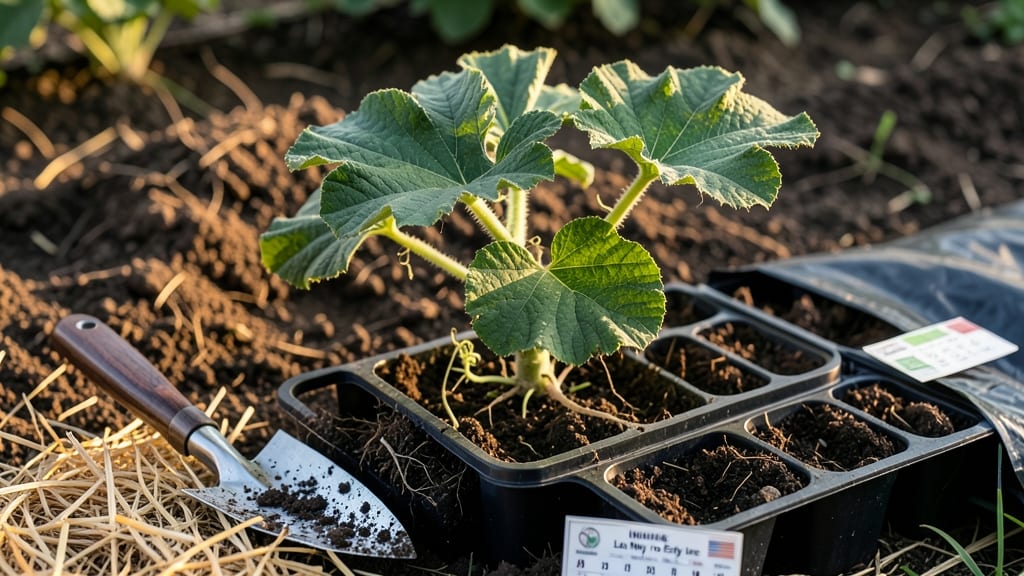
Optimal planting dates for cantaloupe in Michigan’s Zone 5B climate
Michigan’s Zone 5B climate demands precision when planting cantaloupe. The average last frost date ranges from mid-April in southern Michigan to late May in northern regions, but cantaloupe thrives only after soil warms to 70°F (21°C).
This typically means waiting until late May to early June for most of the state, though early varieties can go in slightly sooner with protection.
For direct sowing, aim for 2-4 weeks after your last frost date when soil temperatures consistently stay above 70°F.
In southern Michigan (Zone 6a), this often falls in late April to early May, while northern areas (Zone 5a) may need to wait until early to mid-June. Transplants can go in 1-2 weeks earlier than direct-sown seeds since they’re more established.
Timing is everything—plant too early, and frost will kill tender seedlings. Plant too late, and you’ll miss the 75-90 day harvest window before Michigan’s first frost (mid-October).
The ideal planting window is a 4-6 week period after your last frost, giving cantaloupe enough time to mature before cooler weather arrives.
🌱
📅 Michigan Cantaloupe Planting Timeline
| Region | Last Frost Date | Optimal Planting Window | Harvest Window |
|---|---|---|---|
| Southern MI (Zone 6a) | Mid-April | Late April–Early May | July–Early Sept |
| Central MI (Zone 5b) | Late April–Early May | Early–Mid-May | Late July–Sept |
| Northern MI (Zone 5a) | Late May | Early–Mid-June | Late Aug–Early Oct |
⚠️ Note: Adjust dates 1-2 weeks earlier for early varieties or with season extenders.
Michigan’s Upper Peninsula faces even shorter seasons, so focus on fast-maturing varieties like ‘Athena’ (65 days) or ‘Hale’s Best’ (75 days). In southern Michigan, where summers are longer, you can experiment with late-summer plantings in June for a fall harvest, though yields may be smaller.
Always check local frost dates using resources like the Michigan State University Extension or Almanac’s Frost Calculator. These tools provide hyperlocal data that’s far more accurate than general zone guidelines. For example, Detroit’s last frost is often 2 weeks earlier than Traverse City’s, so adjust accordingly.
If you’re starting seeds indoors, begin 4-6 weeks before your target outdoor date. Use biodegradable pots to avoid transplant shock, and harden off seedlings by gradually exposing them to outdoor conditions for 7-10 days before planting. This hardening process helps cantaloupe seedlings withstand Michigan’s unpredictable weather shifts.
Pro tip: Use a soil thermometer to confirm 70°F+ soil temps before planting. Cold soil delays germination and stunts growth. If your soil isn’t warm enough by your ideal planting date, consider black plastic mulch or row covers to accelerate warming—these can push your planting window 2-3 weeks earlier safely.
🌡️
Remember, cantaloupe is a warm-season crop that hates cold. Even a light frost can ruin your crop, so always have a backup plan like row covers or a greenhouse for unexpected late frosts.
With the right timing and preparation, you’ll enjoy homegrown cantaloupe from July through September—just in time for Michigan’s peak summer heat!
Optimal planting dates for cantaloupe in Michigan’s Zone 5B climate
Michigan’s Zone 5B climate demands precise timing for cantaloupe success. The last average frost date varies dramatically—mid-April in southern Michigan but late May in northern regions. However, cantaloupes need warm soil (70°F+) and consistent warmth to thrive, making early planting risky even after frost danger passes.
For direct sowing, aim for late May to early June in most of Michigan. This ensures soil warmth and avoids transplant shock. If using transplants, start them indoors 4-6 weeks before your last frost date, then transplant after soil reaches 70°F (21°C).
In southern Michigan (Zone 6), you can push planting to early May.
Here’s a quick reference for Michigan’s planting timeline based on region:
Always check local frost dates using the Michigan State University Extension’s frost calculator. Even in warmer microclimates (like near lakes or urban areas), soil may stay cool longer. Use a soil thermometer to confirm warmth before planting—cantaloupes won’t germinate in cold soil, no matter how warm the air feels.
For extended harvests, consider succession planting every 2 weeks in June. This ensures a steady supply of fruit before Michigan’s first frost in mid-October. Just remember: cantaloupes need 75-90 days to mature, so late plantings won’t ripen in time for fall harvests.
Pro tip: If your soil is slow to warm, use black plastic mulch 2-3 weeks before planting. This can raise soil temperatures by 5-10°F, giving you an earlier start. Just remove it once plants are established to prevent overheating.
Timing is everything—get it right, and you’ll enjoy homegrown cantaloupes from July through September! 🍈