
Plants
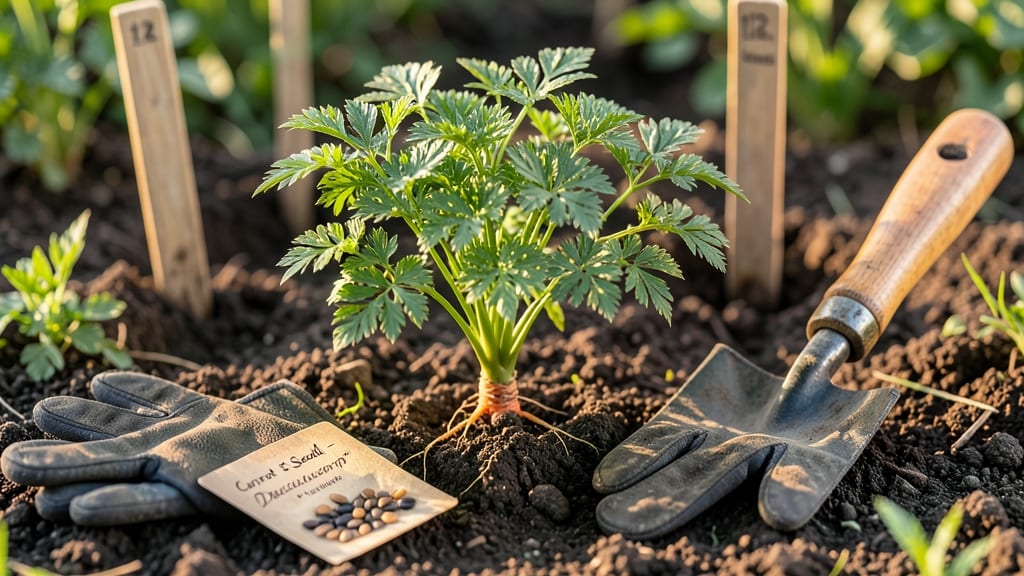
Ohio carrot planting calendar: exact dates by Zone 5b-6a
Ohio’s Zone 5b-6a climate gives you two prime windows to plant carrot seeds: early spring and late summer. Missing these windows risks woody texture or frost damage. Let’s break down the exact dates and what to watch for in each season.
For spring planting, aim for mid-March to mid-April—once soil temperatures hit 50°F. This ensures germination before last frost (April 15 in most of Ohio). If you’re in Zone 5b (northern Ohio), wait until late March to avoid cold snaps.
Don’t overlook fall planting! Sow seeds July 15–August 15 for a late harvest. Carrots planted in August will mature by October 15, just before the first frost. This strategy extends your harvest into crisp autumn months.
🌱
Pro tip: Use row covers if planting in early March to shield seedlings from late frosts. In northern Ohio (Zone 5b), delay until soil warms to 55°F to prevent slow germination.
For succession planting, sow seeds every 2 weeks from March to May. This ensures a steady supply of baby carrots through July. Space rows 12 inches apart to allow airflow and reduce disease risk.
Ohio’s summer heat (above 85°F) stresses carrots, so avoid planting after mid-August. Instead, focus on fall varieties like ‘Autumn King’ or ‘Chantenay’—they tolerate cooler temps better.
🌿
If you’re new to Ohio gardening, start with short-season varieties like ‘Early Nantes’ (55 days) or ‘Paris Market’ (50 days). These mature quickly and handle Ohio’s variable spring weather better than long-season types.
Finally, mark your calendar for October 15—the average first frost date. Plant your last batch of seeds 6 weeks before this date to ensure harvests before winter sets in.
How soil temperature affects carrot germination in Ohio
Ohio’s unpredictable spring weather can turn carrot seeds into a waiting game—too cold, and they rot; too hot, and they bolt. The ideal soil temperature for carrot germination is 50°F–85°F, but Ohio’s Zone 5b-6a climate often swings outside this range.
If your soil stays below 50°F for too long, seeds may never sprout, while temperatures above 85°F can cause seeds to dry out or germinate unevenly.
Most Ohio gardeners face this challenge in early spring when soil warms slowly. A soil thermometer is your best tool—plant only when the top 2 inches of soil consistently reach 55°F–60°F.
In my experience, this usually happens by mid-to-late April in most of Ohio, but northern areas may need to wait until early May.
Carrot seeds contain oils that can turn rancid in cold, wet soil (below 45°F). If your soil is too cold, try:
- Black plastic mulch to warm soil faster
- Straw mulch to insulate and retain heat
- Waiting 1–2 weeks for soil to warm naturally
On the flip side, summer planting (July–August) risks heat stress if soil temperatures exceed 85°F. To avoid this, plant in early morning or late afternoon when soil is cooler.
I’ve had success using shade cloth over newly seeded rows until germination occurs, which typically takes 14–21 days in ideal conditions.
Slow germination? Check for these common Ohio-specific issues:
- Compacted soil (carrots need loose dirt to grow straight)
- Old seeds (carrot seeds lose viability after 1–2 years)
- Uneven moisture (keep soil consistently damp, not soggy)
Pro tip: Test your soil’s warmth like a pro—press your hand into the soil. If it feels cool to the touch (like a chilly bathroom floor), wait a few days.
If it’s warm but not hot (like a freshly baked pie cooling), it’s ready for seeds! This simple trick saves me from over-planting too early.
Remember, patience is key in Ohio’s climate. Rushing seeds into cold soil is a recipe for disappointment, but with the right temperature checks and adjustments, you’ll enjoy a steady stream of crisp, homegrown carrots all season. 🥕