
Plants
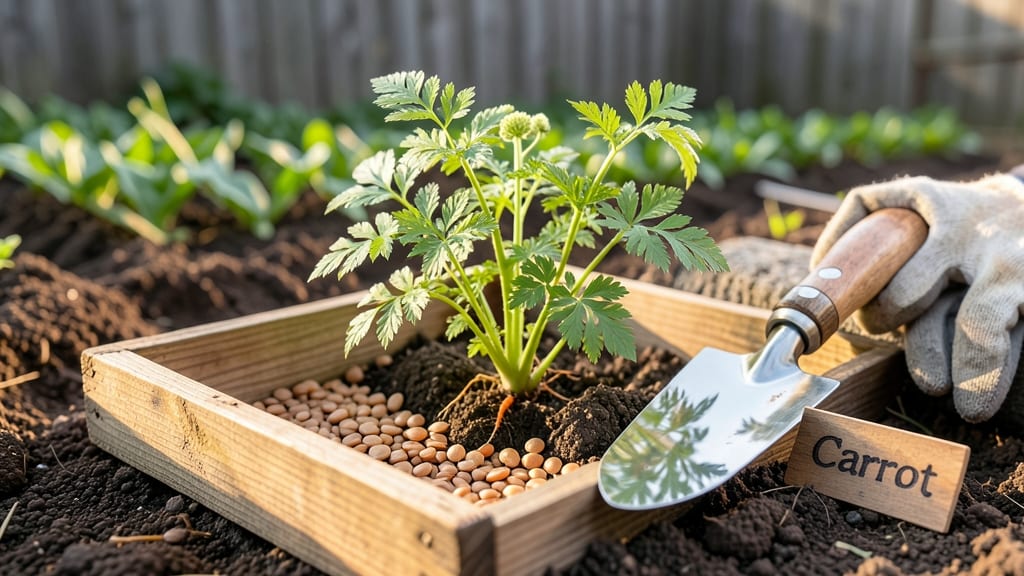
Planting your 🥕 carrots at the wrong time in Pennsylvania’s Zone 6b-7a can turn your dream harvest into a disappointing gamble—frost-sensitive seeds need precision timing to avoid bolted greens or stunted roots.
The difference between a crisp, sweet harvest and wasted effort often comes down to knowing exactly when to drop those tiny seeds into the soil.
If you’ve ever wondered why some gardeners pull perfect 🥕 carrots while others struggle with patchy growth, the answer lies in Pennsylvania’s unique frost dates and microclimates.
Whether you’re in the cooler mountains or warmer valleys, getting the timing right means avoiding late frosts that kill seedlings or early bolts that turn your crop bitter.
I’ll break down the exact planting windows you need—March 15 to April 30 for spring and September 1 to October 15 for fall—plus how to adjust for your specific corner of the state.
With the right variety and a little local know-how, you’ll be pulling harvest-ready 🥕 carrots in just 60-80 days.
Ready to stop guessing and start growing? Let’s dive into the frost-free deadlines, soil secrets, and variety picks that’ll make your Pennsylvania garden a carrot lover’s dream.
Pennsylvania carrot planting calendar: exact dates for Zone 6b-7a success
Pennsylvania’s Zone 6b-7a climate offers two ideal windows for planting carrots: spring and fall. Timing matters because carrots need 60-80 days to mature, and planting too early or late risks frost damage or bolting (premature flowering). Let’s break down the exact dates and soil conditions for each season.
For spring plantings, aim to sow seeds 2-3 weeks before your last frost date. In Pennsylvania, this typically falls between March 15 and April 30, depending on your microclimate. Soil temperatures should reach at least 50°F (10°C) for optimal germination.
In western PA (Zone 6b), you might start as early as mid-March, while eastern PA (Zone 7a) gardeners should wait until late March.
Fall plantings are equally critical, with seeds going into the ground 8-10 weeks before your first frost. This usually means September 1 to October 15. Carrots planted in fall benefit from cooler temperatures and often produce sweeter roots.
Soil should stay warm enough (above 55°F or 13°C) to encourage germination but cool enough to prevent bolting.
| Season | Planting Window | Soil Temp Requirement | Harvest Window | Key Notes |
|---|---|---|---|---|
| Spring | March 15 – April 30 | 50°F (10°C) minimum | June – October | Avoid bolting with shade cloth if temps exceed 80°F (27°C). |
| Fall | September 1 – October 15 | 55°F (13°C) minimum | October – November | Cooler temps prevent bolting; harvest before hard frost. |
| Succession Planting | Every 2-3 weeks (spring/fall) | 50-55°F (10-13°C) | Continuous harvest | Extend harvest season by sowing new seeds every 2-3 weeks. |
If you’re unsure about your last frost date, check the USDA Plant Hardiness Zone Map or use local resources like your county extension office. For example, Pittsburgh (Zone 6b) typically sees its last frost around April 15, while Philadelphia (Zone 7a) may wait until April 25.
Adjust your planting dates accordingly to avoid frost-related setbacks.
Carrots thrive in loose, well-draining soil with a fine texture to prevent forked roots. Before planting, amend your soil with compost or sand if it’s heavy clay. Test your soil’s readiness by pressing a finger into it—it should feel crumbly and moist but not sticky.
If your soil is too cold or wet, germination will be slow or fail entirely.
For succession planting, sow new seeds every 2-3 weeks during the spring and fall windows. This ensures a continuous harvest and reduces the risk of bolting. In Pennsylvania’s climate, this strategy works especially well for short-day varieties, which mature faster in cooler temperatures.
Space your rows 12-18 inches apart to allow for proper air circulation and root development.
One common mistake is planting carrots too deeply. Seeds should only be ¼ inch deep, as deeper planting can lead to stunted or misshapen roots. Use a seed starter or gently press seeds into the soil with your finger.
After sowing, lightly cover the seeds with soil and water gently to avoid displacing them. Mulching with straw or grass clippings helps retain moisture and keep soil temperatures stable.
In urban gardens or containers, use a lightweight potting mix with added sand to improve drainage. Carrots grown in containers should have at least 12 inches of depth to accommodate their root length.
If you’re planting in raised beds, ensure the bed is at least 6 inches deep and filled with a mix of soil, compost, and perlite for optimal growth.
Finally, keep an eye on weather forecasts in the days leading up to your planting date. If a late frost is predicted, consider using row covers or cloches to protect young seedlings.
With the right timing and care, you’ll enjoy a bountiful carrot harvest from June through November in Pennsylvania’s climate.
How to adjust carrot planting for Pennsylvania’s microclimates
Pennsylvania’s diverse geography—from the Allegheny Mountains to the Pittsburgh heat islands—means your carrot planting dates should shift by 2-3 weeks depending on where you live.
High elevations like State College (Zone 6b) may need to wait until April 15, while urban areas like Philadelphia (Zone 7a) can start as early as March 20. These microclimates create soil temperature differences that directly impact germination rates.
Before planting, test your soil’s readiness with a simple moisture check: Press your finger 1 inch deep—if it feels cool but not frozen, your seeds are ready.
In low-lying areas, soil warms faster, allowing earlier planting, while north-facing slopes may need a 2-week delay to avoid frost damage. Use a soil thermometer ($10 at garden centers) to confirm 50°F+ soil temps for optimal germination.
Urban gardeners face unique challenges like concrete heat absorption, which can push planting dates 10 days earlier than rural areas. If your garden sits near pavement or buildings, start seeds indoors 4-6 weeks before your target outdoor date to compensate.
For mountain regions, consider black plastic mulch to warm the soil 5-10°F faster and extend your planting window by 1-2 weeks.
Drainage is another critical factor—clay-heavy soils (common in central PA) require amending with compost to prevent forked carrots. Test drainage by digging a 12-inch hole, filling it with water, and timing how long it takes to drain.
If it takes more than 6 hours, mix in sand or peat moss before planting. In sandy soils (like those in the Susquehanna Valley), water more frequently to maintain consistent moisture.
For container gardening in microclimates, use 5-gallon pots with well-draining mix and plant 2 weeks earlier than ground planting dates. Containers warm up faster but dry out quicker, so monitor soil moisture daily.
If you’re in a windy area (like near Lake Erie), add windbreaks or plant near a fence/wall to protect young seedlings from drying out.
Pro tip: Use row covers in early spring to extend your planting window by 3-4 weeks. These lightweight fabrics protect against late frosts while allowing sunlight and water to penetrate. Remove covers once true leaves appear to prevent overheating.
For fall planting, aim to harvest before first frost—most PA regions see frost by mid-October, so plan your October 1 planting to yield by November 1.