
Plants
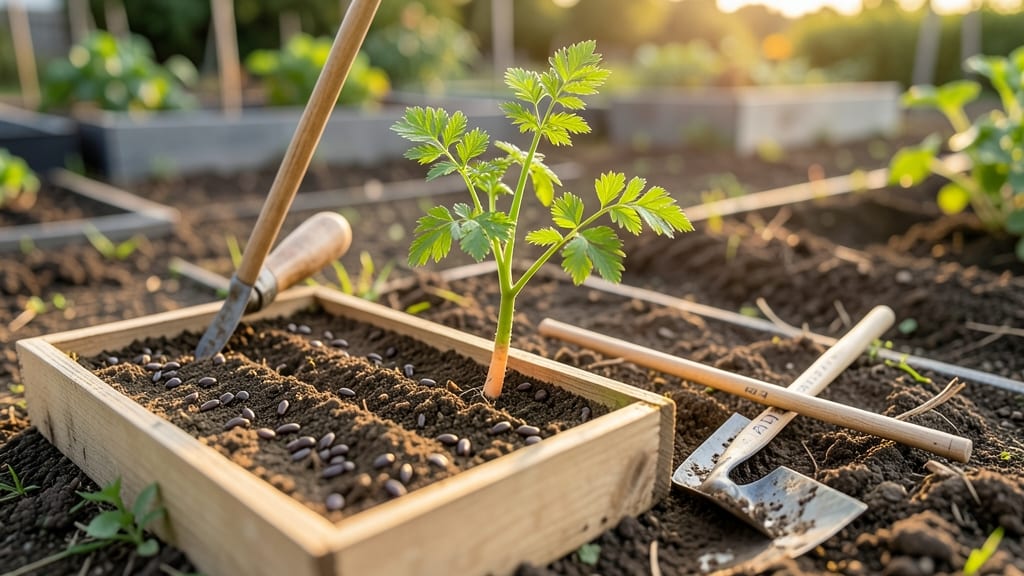
Timing your fall carrot planting just right is the secret to harvesting those sweet, crisp 🥕 roots before winter sets in. Get it wrong, and you’ll end up with bitter, forked roots—or worse, no harvest at all.
The key lies in that magical 8-week window before frost, where soil stays warm enough for germination but cool enough to sweeten the roots naturally.
If you’re in USDA Zone 6a (like much of the Midwest), that means sowing seeds between mid-August and early September—but your exact schedule depends on your last frost date. Too early, and your carrots bolt; too late, and they’ll struggle to mature before the ground freezes.
I’ll break down the exact steps to nail your planting window, from soil prep to variety selection, so you can enjoy a bumper crop of garden-fresh carrots all fall long.
Don’t let common mistakes like planting too deep or ignoring soil texture ruin your harvest. Whether you’re a seasoned gardener or a first-timer, these pro tips will help you avoid the pitfalls and grow carrots that are straighter, sweeter, and ready to pull just as the first frost arrives.
Let’s get those seeds in the ground at the perfect time!
Ready to transform your garden into a carrot patch that keeps giving? I’ll walk you through everything—from companion planting to frost protection—so you can enjoy a harvest that lasts well into winter. Your taste buds (and dinner table) will thank you!
Fall carrot planting timeline: exact weeks before frost for optimal growth
Timing your fall carrot planting is the secret to harvesting sweet, straight roots that outshine spring crops. The 8-week rule before your first frost date is your golden window—plant too early, and you risk bolting or pest pressure; too late, and roots won’t mature before winter.
For USDA Zone 6a (like my garden in Ohio), that means sowing between mid-July and early September.
Carrots need 50-80 days to reach harvest size, so align your planting with your local frost dates. Check the National Weather Service or Old Farmer’s Almanac for your area’s average first frost.
In colder zones (3-5), aim for late July to mid-August—hardy varieties like 'Danvers Half Long' thrive in cooler soils.
Warmer climates (zones 7-10) can push planting to mid-September, but choose fast-maturing varieties like 'Paris Market' (50 days) to avoid frost damage. My Zone 9 garden in California lets me sow carrots until October 15, but I always use row covers to extend the season.
🌱
| USDA Zone | Planting Window | Best Varieties | Days to Maturity | Frost Prep |
|---|---|---|---|---|
| 3-5 (Cold Climates) | Late July–Mid-August | 'Danvers', 'Nantes' | 70-80 days | Heavy mulch (straw) |
| 6-8 (Temperate) | Mid-July–Early Sept | 'Rainbow', 'Chantenay' | 60-70 days | Row covers for late sows |
| 9-10 (Mild Winters) | Mid-August–Mid-Oct | 'Paris Market', 'Little Finger' | 50-60 days | Light mulch only |
🌡️ Soil Temp Tip: Carrots need 50°F+ to germinate—wait until soil warms before planting!
Soil temperature is just as critical as frost dates. Carrots won’t germinate below 50°F, so use a soil thermometer to confirm readiness. In my garden, I test soil temps in the morning shade—if it’s below 55°F, I delay planting.
For faster germination, soak seeds in warm water for 24 hours before sowing.
Don’t overlook succession planting—sow a second batch 3-4 weeks after your first planting to stagger harvests. In Zone 7, I plant half in late July and the other half in early August. This ensures a continuous supply of fresh carrots through October and November.
Hardy varieties like 'Danvers' handle light frosts better than 'Rainbow', which bolts faster in heat.
I always plant half my bed with Danvers for cold tolerance and the other half with Rainbow for sweetness. Companion planting with leeks or onions deters carrot flies, while radishes (planted 2 weeks before carrots) mark rows and improve soil.
🌿
Extend your fall harvest by using row covers or cold frames to protect plants from early frosts. In Zone 5, I cover my carrots with floating row covers after September 15 to add 4-6°F protection.
For even later harvests, try low tunnels—they can push your growing season 2-3 weeks longer before hard frosts hit.
Harvest before hard frosts (temps below 20°Fwoody and bitter. Pull roots when soil is firm but workable (not frozen) and store in sand in a cool, dark place. My Zone 6 garden yields carrots until mid-November with proper frost protection!
How to adjust your planting schedule for soil type and variety
Your soil type and carrot variety play huge roles in determining the perfect fall planting window. Sandy soil warms up faster but drains too quickly, while clay holds moisture but can compact and stunt root growth.
For loose, sandy soils, plant 2 weeks earlier than the recommended window—these soils dry out faster, and seeds need consistent moisture to germinate. In heavy clay soils, wait until 1-2 weeks later to give the ground time to warm up properly.
If your garden has rocky or compacted soil, consider growing short-rooted varieties like 'Paris Market' or 'Little Finger'—they tolerate tighter spaces better than long varieties like 'Danvers' or 'Chantenay'.
These compact varieties also give you a later planting window (up to 3 weeks after the ideal date) since they don’t need as much depth to mature. For long, straight carrots, stick to the 8-week pre-frost rule and loosen soil with a broadfork or compost amendment.
One of the biggest planting mistakes I see is ignoring soil temperature. Carrot seeds need soil that’s at least 50°F (10°C) to germinate, but they’ll grow best when soil stays between 60-70°F (15-21°C).
Use a soil thermometer to check—if temps are dropping below 55°F (13°C), your seeds may rot before sprouting. In cooler climates (USDA Zones 3-5), opt for cold-hardy varieties like 'Nantes' or 'Danvers Half Long' and plant 6-8 weeks before frost.
For warmer climates (Zones 7-10), you’ve got more flexibility. You can even plant two successive crops: one in early September for a fall harvest and another in late October for a winter harvest (using row covers to protect from light frosts).
Just avoid planting too close to frost—carrots need at least 50 days to mature, and cold snaps can stunt growth or cause roots to split.
Pro tip: If your soil is rocky or stony, mix in compost or aged manure before planting to improve texture. For sandy soil, add peat moss or coconut coir to retain moisture.
And if you’re planting in containers, use a lightweight potting mix with 20% perlite to prevent compaction. These tweaks can turn marginal soil into perfect carrot-growing conditions.
Don’t let common mistakes like planting too deep (seeds need light to germinate!) or crowding plants (thin to 2-3 inches apart) ruin your harvest. With the right soil prep and variety choice, your fall carrots will be sweet, straight, and ready to pull just as winter arrives.
Now grab those seeds—your garden’s about to get a little sweeter!