
Plants
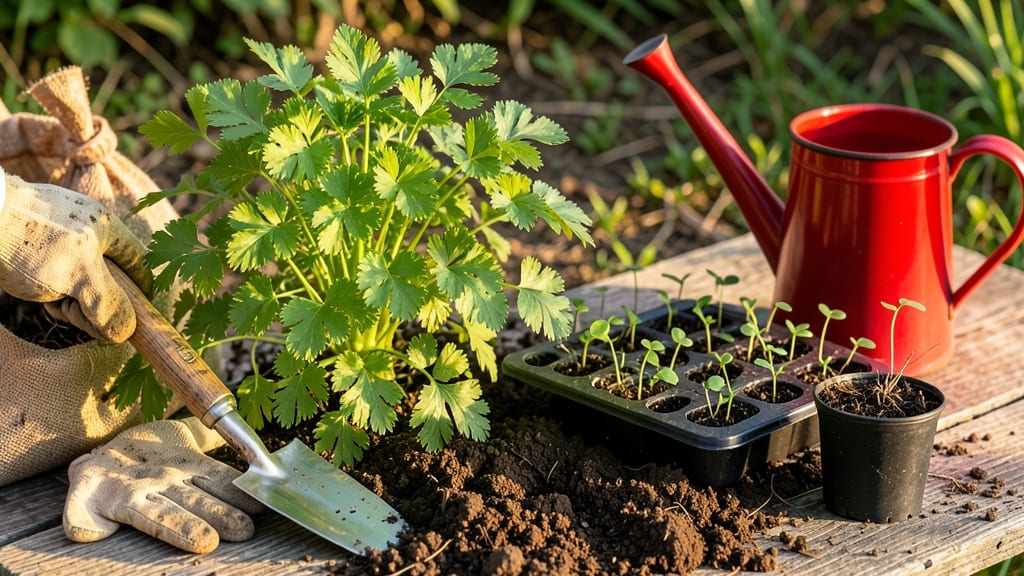
Best months to plant cilantro in Arizona’s climate zones
Arizona’s diverse climate zones create unique challenges for growing cilantro. The low desert (Zone 9-10) like Phoenix experiences extreme heat, while the high desert (Zone 7-8) in Flagstaff enjoys cooler temperatures.
Timing your plantings around these differences ensures success, with fall and early spring being the sweet spots for most regions.
In low desert areas, cilantro thrives when daytime temperatures stay below 75°F (24°C). This means planting in September through November or February through March for a spring harvest.
For high desert regions, you can extend plantings slightly later into October or earlier in March due to cooler nights.
Here’s a quick reference for optimal planting windows based on Arizona’s elevation zones:
| Zone | Best Planting Months | Temperature Threshold | Harvest Window |
|---|---|---|---|
| Low Desert (9-10) | September–November, February–March | Below 75°F (24°C) | October–December, March–April |
| High Desert (7-8) | August–October, February–April | Below 80°F (27°C) | September–November, March–May |
For Phoenix and Tucson, focus on fall plantings to avoid the brutal summer heat. Start seeds indoors in late August and transplant outdoors in September for a harvest before temperatures rise.
In Flagstaff or Prescott, you can push plantings into late October or even early November thanks to cooler nights.
If you’re in Zone 9-10, avoid planting cilantro after March—the heat will cause it to bolt (flower) within weeks. Instead, use succession planting every 2-3 weeks in fall to extend your harvest.
For Zone 7-8, you can even try a winter crop under row covers if temperatures dip below 40°F (4°C).
Always check your last frost date, even in Arizona, as high desert areas can experience light frosts. Protect young plants with frost cloth if temperatures drop below 32°F (0°C). This is especially critical for seedlings, which are delicate.
Soil temperature also plays a role—cilantro seeds germinate best in soil that’s 60–70°F (15–21°C). Use a soil thermometer to monitor conditions, especially in spring when ground temperatures rise quickly. If your soil is too hot, wait until evening to plant or use shade cloth to cool the soil.
For container gardening, you can plant cilantro year-round in shaded patios, but growth will slow in summer. Use self-watering pots to maintain consistent moisture, which is key to preventing bolting. In-ground plantings benefit from mulch to retain soil moisture and regulate temperature.
Pro tip: Pair cilantro with shade-tolerant companions like lettuce or spinach to create a microclimate that stays cooler. This simple trick can buy you extra weeks of harvest before bolting sets in.
Heat-tolerant cilantro varieties that survive Arizona summers
Arizona’s intense heat quickly turns cilantro into a bolting disaster, but the right heat-tolerant varieties can extend your harvest by weeks. Not all cilantro is created equal—some varieties resist flowering longer, even when temperatures flirt with 90°F (32°C).
Choosing the right type is your first line of defense against the desert’s relentless sun.
My top recommendation for Arizona gardeners is 'Santo' cilantro, a slow-bolting variety bred to handle warmer climates. It maintains its bright green leaves and zesty flavor for 4-6 weeks longer than traditional types.
Another standout is 'Calypso', which boasts broad, flat leaves and a mild, citrusy taste—perfect for salsas and garnishes.
Here’s how these varieties stack up for Arizona’s climate:
🌱 Santo
Pros: Slow bolting, heat-resistant, 6+ weeks of harvest
Cons: Slightly stronger flavor, may still bolt in extreme heat
🌿 Calypso
Pros: Broad leaves, mild flavor, tolerates 85°F+ well
Cons: Slower growth, needs consistent moisture
✂️ Slow Bolt
Pros: Extended harvest, disease-resistant, great for containers
Cons: Less flavorful than traditional cilantro
🌱 Moroccan
Pros: Curly leaves, unique earthy taste, bolt-resistant
Cons: Harder to find, slower establishment
🌿 Green Mountain
Pros: Classic cilantro flavor, compact growth, good for small spaces
Cons: Bolts quickly in heat above 80°F
For Phoenix and Tucson, I swear by 'Santo' in fall plantings—it’s the only variety that’s given me usable leaves into December without bolting. In Flagstaff’s cooler climate, 'Calypso' thrives even in late spring plantings, thanks to its ability to handle cooler nights without stress.
If you’re growing cilantro in containers, 'Slow Bolt' is my go-to. Its compact size and disease resistance make it ideal for balcony gardens where heat reflects off buildings. Just remember: no variety is foolproof—consistent evening watering and partial shade are non-negotiable in Arizona’s summers.
Pro tip: Mix heat-tolerant cilantro with shade-loving herbs like mint or parsley. The taller herbs act as a natural sun shield, keeping your cilantro cooler and delaying bolting. This trick has added 3-4 extra weeks to my harvests in Zone 10.
For spring plantings, start seeds indoors in February and transplant in March under 30% shade cloth. This gives your cilantro a head start before temperatures climb.
If you’re in Zone 7-8, you can push it further—try 'Moroccan' cilantro in April for a late-spring harvest before the real heat arrives.