
Plants
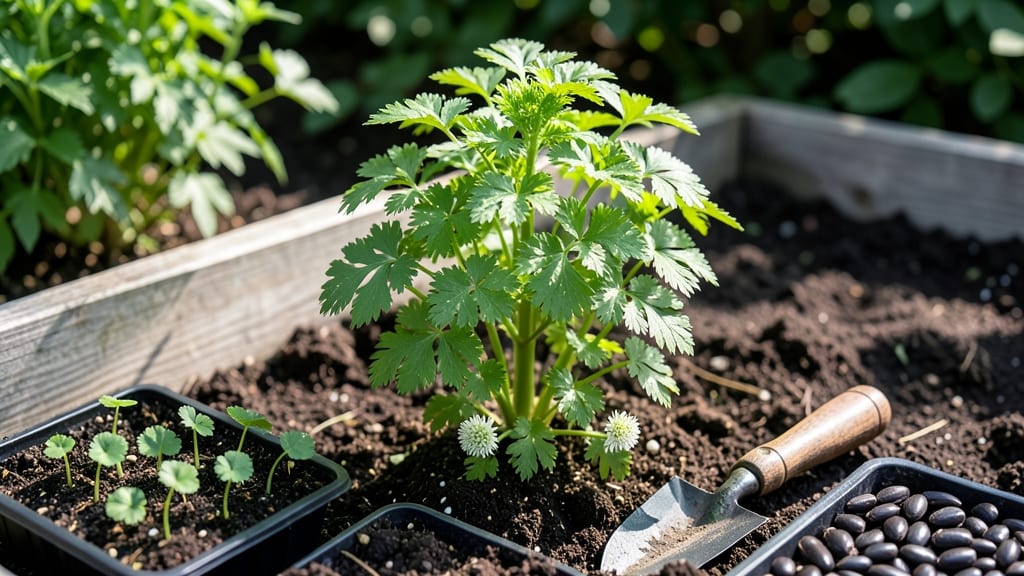
Best planting times for cilantro in Oregon’s climate zones
Oregon’s diverse microclimates—from the cool coastal fog to the hot inland valleys—mean cilantro planting times vary dramatically. The key is avoiding heat stress that triggers bolting while capitalizing on mild spring and fall conditions. Here’s how to time your plantings for success across Oregon’s three main regions.
In the Willamette Valley (USDA Zone 8), cilantro thrives from late February to early April for spring harvests and late August to early September for fall crops.
Coastal areas like Astoria or Newport can start 4-6 weeks earlier thanks to cooler temperatures, while High Desert regions (like Bend) should delay until April-May to escape early heat.
Always check your last frost date—typically mid-March in Portland but as early as February in coastal areas. Plant cilantro seeds 2-3 weeks after the last frost for spring crops, or 8-10 weeks before your first frost for fall harvests.
Oregon’s unpredictable summer heat (especially in Zone 9a areas like Medford) makes mid-summer planting risky. Instead, opt for shade cloth or container growing if you must plant in June-July, but expect slower growth and potential bolting.
| Region | Spring Planting Window | Fall Planting Window | Key Challenge |
|---|---|---|---|
| Willamette Valley | Late Feb - Early April | Late Aug - Early Sept | Sudden summer heat |
| Coastal (Astoria, Newport) | Early Feb - Mid-March | Mid-Aug - Late Sept | Coastal fog delays growth |
| High Desert (Bend, La Pine) | April - May | July - Early Aug | Early frost risk |
For container growing, you can extend your season by 2-3 weeks on either end. Pots warm up faster than soil, so start containers indoors 4-6 weeks before your target outdoor planting date. Use lightweight potting mix to prevent waterlogging, which stresses cilantro roots.
If you’re in a warmer microclimate (like Southern Oregon’s Rogue Valley), prioritize heat-tolerant varieties like ‘Santo’ or ‘Calypso’ and use 50% shade cloth during peak afternoon sun. Even with these precautions, expect bolting within 6-8 weeks in summer plantings.
Succession planting is your best friend in Oregon. Sow new seeds every 2-3 weeks from March through May, then again in August and September. This ensures a continuous harvest and minimizes losses from bolting or frost.
Space seeds ½ inch apart and thin to 4-6 inches when seedlings are 2 inches tall.
Pro tip: Mark your calendar for Oregon’s average first frost dates. Coastal areas like Cannon Beach may see frost as late as November 15, while inland valleys like Hood River can frost by October 15. Adjust your fall planting timeline accordingly to avoid premature frost damage.
Remember, cilantro is a cool-season crop at heart. When daytime temperatures exceed 75°F, it’s time to harvest aggressively or switch to shade. With the right timing, you can enjoy fresh cilantro from late spring through early fall in Oregon’s diverse climate.
Best planting times for cilantro in Oregon’s climate zones
Oregon’s diverse climate—from the cool coastal fog to the dry inland heat—means cilantro planting times vary dramatically. In the Willamette Valley, where frost lingers until mid-March, aim for late February to early April plantings.
Coastal areas like Astoria can start even earlier, around January, thanks to milder winters. Meanwhile, the High Desert (e.g., Bend) has a shorter window, with ideal plantings between April and early May to avoid summer bolting.
For a fall harvest, time your second planting for late summer—specifically August to early September. This gives cilantro time to mature before first frost hits (typically mid-October in the Valley, later on the coast).
Inland areas like Pendleton may need to push plantings to July to beat the heat.
| Climate Zone | Spring Planting | Fall Planting | Key Challenge |
|---|---|---|---|
| Willamette Valley | Late Feb–Early April | Late Aug–Early Sept | Summer bolting |
| Coastal (e.g., Astoria) | January–March | Sept–Early Oct | Fungal risk from fog |
| High Desert (e.g., Bend) | April–Early May | July–Early Aug | Dry heat stress |
To avoid bolting (when cilantro flowers prematurely), never plant during peak summer heat (June–July). Instead, use shade cloth if you must grow cilantro in July or August, especially in inland areas where temperatures exceed 80°F.
Coastal gardens stay cooler, but even there, afternoon shade helps prevent bitter leaves and early flowering.
For container growing, start seeds indoors 4–6 weeks before your last frost date. Coastal gardeners can begin in January, while inland growers should wait until March. Containers dry out faster, so use well-draining soil mixed with compost to retain moisture and prevent stress.
Pro tip: Mark your calendar for Oregon’s average frost dates—coastal areas like Cannon Beach may see frost as late as November 1st, while the Columbia Gorge can experience frost by October 15th. Adjust your fall plantings accordingly to maximize your harvest window.
If you’re unsure about your local frost dates, check the Oregon State University Extension Service or use a frost calendar app like FrostFreeze. These tools provide hyper-local data to refine your planting schedule for cilantro success in Oregon’s varied climates 🌱.