
Plants
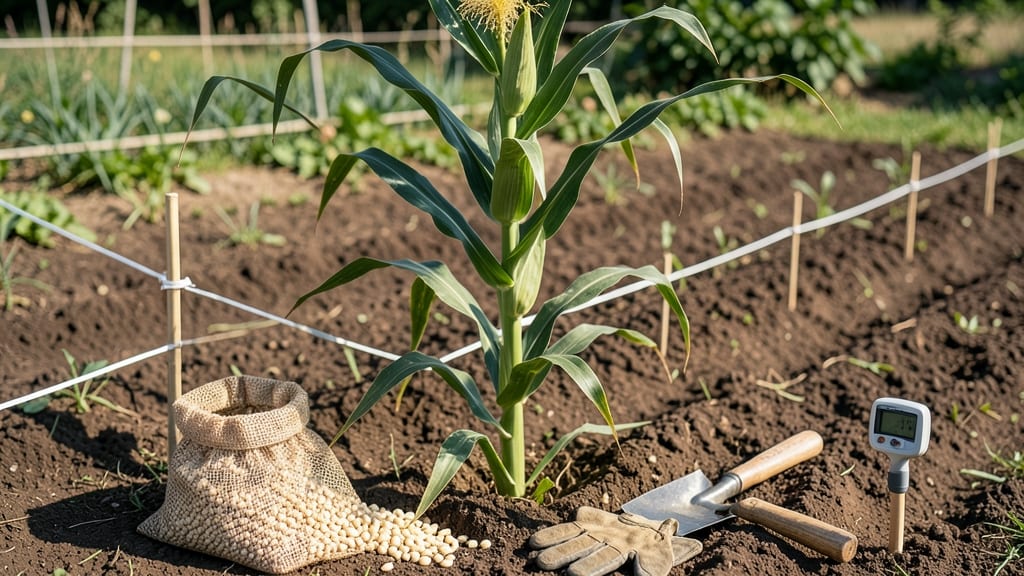
Timing your Corn 🌽 planting in Upstate NY can make the difference between a bumper crop and a disappointing harvest.
The region's unpredictable spring weather means getting those seeds in the ground at just the right moment is critical—too early, and frost will strike; too late, and your plants may struggle to mature before fall.
I've seen gardeners in zones 4b-5b transform their plots by following a few key rules about soil temperature and frost dates. Unlike warmer climates, Upstate NY's cooler springs demand patience and precision.
The best window typically opens around mid-May, but local microclimates—like the cooler Adirondacks versus the warmer Finger Lakes—can shift those dates by weeks.
What you'll discover here are the exact weeks to plant for maximum success, plus how to adjust if Mother Nature throws curveballs. We'll cover everything from soil prep to companion planting strategies that work specifically for this region. Let's get those seeds in the ground the right way.
Whether you're growing sweet corn for summer meals or field corn for livestock, understanding these regional nuances is the key to a thriving garden. The payoff?
Plump ears ready for harvest just when you need them most—because in Upstate NY, timing really is everything when it comes to growing Corn.
Best planting weeks for corn in Upstate NY by variety
Upstate New York’s USDA zones 4b-5b mean corn planting timing varies by microclimate—whether you're in the Adirondacks or Finger Lakes. The key is planting when soil temps hit 50°F (10°C) and stay there, usually 2-3 weeks after last frost.
For most of Upstate NY, this lands in late April to early May, but regional shifts of 1-2 weeks are common.
Sweet corn, the most popular variety, thrives with 75-90 days to maturity. Field corn and popcorn need 90-110 days, so adjust planting dates accordingly. Early varieties like 'Silver Queen' can handle cooler soils, while late-season types like 'Peaches and Cream' need warmer conditions to avoid stunted growth.
Here’s a breakdown of optimal planting windows tailored to Upstate NY’s two distinct regions, including adjustments for short-season varieties in cooler areas:
| Variety Type | Best Planting Window (Adirondacks) | Best Planting Window (Finger Lakes) | Soil Temp Requirement | Days to Maturity |
|---|---|---|---|---|
| Sweet Corn (Early) | Late May - Early June | Late April - Mid-May | 50-55°F (10-13°C) | 75-85 days |
| Sweet Corn (Mid-Season) | Early May - Late May | Mid-April - Early May | 55-60°F (13-16°C) | 85-95 days |
| Sweet Corn (Late) | N/A (Risky) | Late May - Early June | 60°F+ (16°C+) | 95-110 days |
| Field/Popcorn | Early May - Mid-May | Late April - Early May | 55-65°F (13-18°C) | 90-110 days |
For successive planting, stagger seeds every 10-14 days to extend your harvest. In the Finger Lakes, you can often squeeze in two plantings—one in early May and another in late May—while the Adirondacks may only support one reliable planting due to shorter seasons.
Pro tip: Use a soil thermometer to confirm readiness. Corn seeds won’t sprout below 50°F (10°C), and cooler soils delay germination. If temps drop unexpectedly, cover seedlings with frost blankets or row covers to protect tender shoots.
In warmer microclimates like the Genesee Valley, you might push planting to mid-April for early varieties, but monitor frost forecasts closely. The last frost date in Upstate NY typically ranges from May 10 (Adirondacks) to May 1 (Finger Lakes), so plan accordingly.
Remember, corn is a warm-season crop—it won’t tolerate cold soils. If you’re unsure about your local last frost date, check the National Weather Service or your local Cooperative Extension office for region-specific data.
Planting too early can lead to rotten seeds or stunted plants, while waiting too long may reduce yield.
For gardeners in higher elevations (e.g., Lake Placid), opt for short-season varieties like 'Early Sunglow' (70 days) to ensure a harvest before first frost, which can arrive as early as September 20 in some areas.
Finally, consider succession planting for a continuous harvest. By planting every 2 weeks through mid-June, you can enjoy fresh corn from late July through September—just in time for Upstate NY’s farmers' markets and backyard barbecues!
How to adjust planting dates for early or late frost years
Upstate New York’s unpredictable frost patterns can throw off even the best-laid planting plans. If you’ve ever watched your corn seedlings shiver under a surprise frost, you know how quickly things can go wrong.
The key is flexibility—adjusting your schedule based on soil temperature, local microclimates, and backup strategies to ensure your corn matures before winter’s return.
Most gardeners in USDA zones 4b-5b (common in Upstate NY) aim to plant corn after the last frost, typically between late April and mid-May.
However, if frost lingers into June—or strikes early in September—you’ll need a plan B. Start by monitoring soil temperatures; corn seeds won’t germinate well below 50°F (10°C), and roots struggle in cold soil. Use a soil thermometer to track progress.
For areas like the Adirondacks, where frosts can linger longer, consider planting early-maturing varieties (like ‘Early Sunglow’) or using row covers to protect seedlings. In the Finger Lakes region, where microclimates vary, observe nearby gardens or check local Cooperative Extension Service updates for real-time frost advisories.
⚠️ Callout Warning: Frost Risks for Corn
Young corn seedlings are especially vulnerable to frost damage. Even a light freeze can stunt growth or kill plants entirely. If frost is forecasted within 7-10 days of planting, delay until soil warms consistently above 55°F (13°C) for at least a week.
Late frosts (after May 15) are riskier than early ones. If frost hits after whorl stage (when leaves unfurl), damage is less severe, but ears may still develop poorly.
If frost strikes before your corn reaches 6 inches tall, don’t panic. Many varieties can recover if the roots are undamaged. Focus on keeping the soil moist but not waterlogged and watch for new growth.
For a safety net, plant a second succession 2-3 weeks later if your first batch is at risk. Choose short-season varieties (60-70 days to maturity) for backup plantings.
Another Upstate NY trick? Plant corn near windbreaks (like hedges or fences) to create microclimates that warm up faster. South-facing slopes also enjoy earlier soil warming by 1-2 weeks compared to low-lying areas. Use these natural advantages to your advantage when adjusting planting dates.
For gardeners in higher elevations (e.g., near Lake Placid), consider starter plants or transplanting corn seedlings (if available locally) to bypass the slow germination phase. While this requires more effort, it can shave critical weeks off your growing timeline.
Just be sure to harden off seedlings for 7-10 days before transplanting.
Finally, keep a planting journal to track frost patterns in your specific area. Note the dates of your first and last frosts, soil temperatures, and how your corn performs. Over time, you’ll refine your planting schedule to match your unique Upstate NY microclimate—ensuring sweet, plump ears year after year. 🌽