
Plants
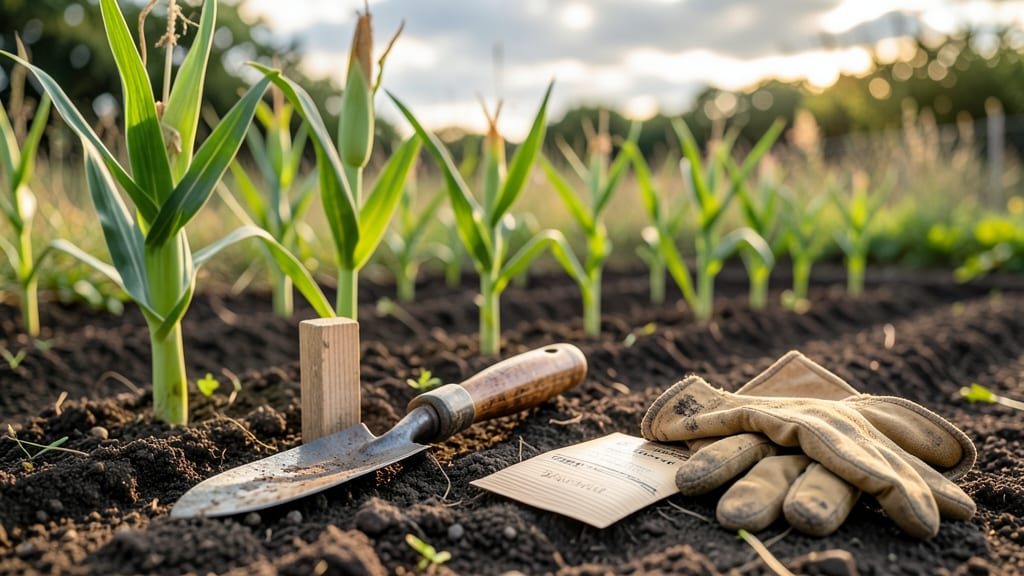
Ideal soil temperature and frost-free dates for zone 6A corn planting
Corn is a warm-season crop that demands precise timing—plant too early, and frost will kill your seedlings; too late, and your harvest may never mature. In Zone 6A, where average last frost dates hover around April 15, soil temperature becomes the critical factor.
Corn seeds won’t germinate until the soil reaches 60-65°F, which typically aligns with late April to early May in most of this zone.
Your local microclimate matters! Urban areas may warm faster than rural spots, while higher elevations could delay soil warming by 1-2 weeks.
Always check your USDA Plant Hardiness Zone Map and use a soil thermometer to confirm readiness. Cold soil slows germination, leading to weak, leggy plants that struggle to recover.
Here’s the golden rule for Zone 6A: Wait until the soil is consistently 60°F+ and nighttime temperatures stay above 50°F. This usually means holding off until mid-May in cooler pockets of the zone, even if frost dates suggest earlier planting. Rushing risks stunted growth or total crop failure.
Zone 6A Corn Planting Requirements
| Requirement | Specification |
|---|---|
| Soil Temperature | 60-65°F (minimum for germination) |
| Last Frost Date | April 15 (average) |
| Planting Window | Mid-April to early June |
| Nighttime Temp | Above 50°F (no frost risk) |
| Days to Maturity | 60-100 days (choose short-season varieties) |
| First Frost Risk | October 15 (165 frost-free days) |
Zone 6A gardeners often face a 180-day growing window, which limits corn varieties to those maturing in 60-90 days. Early sweet corn like ‘Silver Queen’ (70 days) or ‘Peaches and Cream’ (85 days) are reliable choices.
For a second harvest, try succession planting every 2 weeks until early June, ensuring at least 3 months until first frost.
If your area has unpredictable springs, consider black plastic mulch to warm soil faster (by 5-10°F) or use row covers for early starts. These tricks can shave 1-2 weeks off your planting timeline, giving you an earlier harvest.
Just remove covers once plants reach 12 inches tall to avoid overheating.
Don’t ignore moisture levels during germination—corn seeds need consistent soil moisture to sprout. After planting, keep the soil damp (not soggy) until seedlings emerge. Dry soil causes seeds to dry out before germinating, while waterlogged soil can rot them.
A light sprinkle daily until sprouts appear (7-14 days) sets the stage for strong starts.
For those in northern Zone 6A (e.g., upstate New York, northern Pennsylvania), err on the side of later planting.
The first week of May is often safer than April, even if frost dates suggest otherwise. Southern Zone 6A (e.g., Virginia, Tennessee) can start as early as late April, but always verify with a local almanac or extension office.
Remember: Corn is a heavy feeder, so amending soil with compost or aged manure before planting boosts nutrient availability. Aim for pH 6.0-6.8—test your soil in early spring to adjust if needed. Lime raises pH, while sulfur lowers it.
This prep work ensures your plants have the energy to thrive once they break ground.
Finally, avoid planting corn in the same spot yearly—it depletes soil nutrients and attracts pests. Rotate with legumes (beans, peas) or grass family crops (wheat, oats) to restore nitrogen. In Zone 6A, where growing seasons are tight, crop rotation is non-negotiable for long-term success.
Ideal soil temperature and frost-free dates for zone 6A corn planting
Corn is a finicky crop—it refuses to germinate in cold soil and bolts if temperatures swing too high. In Zone 6A, your planting window hinges on two critical factors: soil temperature and frost-free dates.
Aim for soil that’s 60-65°F at least 1 inch deep, which typically aligns with late April to early May in most of Zone 6A. Check your local USDA frost maps for precise dates, but expect your last frost around April 15, leaving you roughly 165 frost-free days to grow corn.
Use a soil thermometer to verify warmth—cold soil delays germination, and corn seeds rot if planted too early. If your soil is still chilly, consider black plastic mulch or a cold frame to warm it faster.
Corn also needs consistent warmth; planting too late risks immature ears before the first frost in mid-October. Balance is key: too early = stunted growth, too late = no harvest.
🌽
| Requirement | Specification |
|---|---|
| Soil Temperature | 60-65°F (1 inch deep) |
| Last Frost Date | Mid-April (varies by location) |
| First Frost Date | Mid-October |
| Frost-Free Days | 165 days |
| Optimal Planting Window | Late April to early June |
| Corn Variety Days to Maturity | 60-100 days (choose short-season varieties like 'Early Sunglow' for Zone 6A) |
Your local microclimate matters—urban areas may warm faster than rural spots. If you’re near a large body of water or at higher elevation, plant 2-3 weeks later to avoid early frosts.
For extra insurance, stagger plantings every 10 days to extend your harvest window. This ensures you’ll have fresh ears even if the first batch matures early.
Pro tip: Plant companion crops like beans or squash alongside corn to improve soil nitrogen and deter pests. These pairings also help maximize your garden’s space during the short Zone 6A growing season. Just avoid planting corn near tomatoes or cabbage families, which compete for nutrients.
🌡️
If your soil is still too cold by late April, don’t panic—use row covers or a mini greenhouse to create a warmer microclimate. These tools can buy you an extra 2-3 weeks of growing time, perfect for pushing your planting window into early May.
Just remove covers once plants are 6 inches tall to prevent overheating.