
Plants
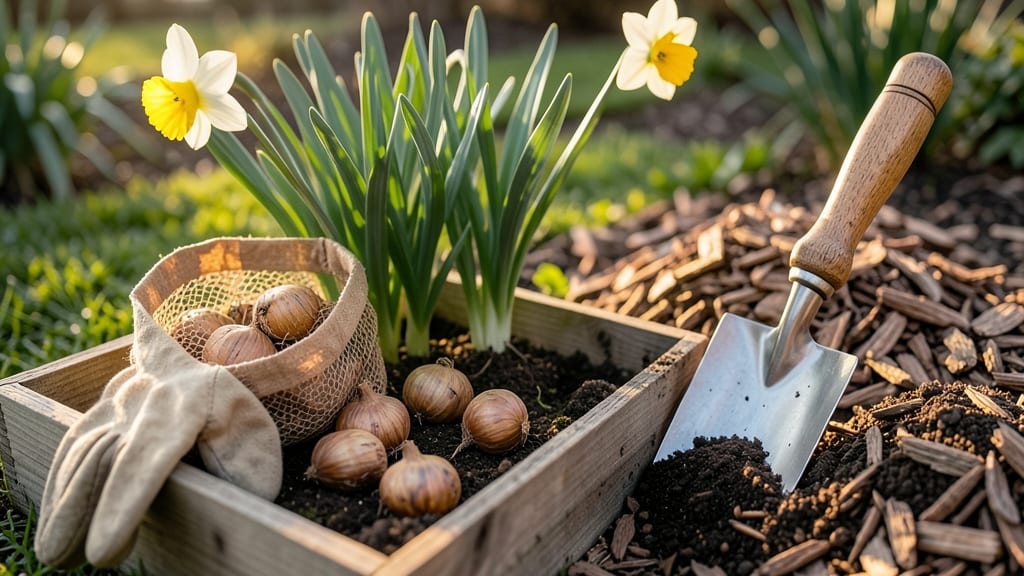
Planting daffodils in New York at the wrong time can mean the difference between a vibrant spring garden and wasted effort.
These cheerful 🌼 blooms thrive when planted during the 6-week window before the ground freezes—typically between September and November—giving their roots time to establish before winter’s chill sets in.
New York’s USDA Zone 6a climate makes timing critical: bulbs need to root deeply before frost hits, usually around mid-October. Too early, and they’ll sprout too soon; too late, and they’ll struggle to survive the winter.
The key is balancing soil warmth with frost risk, a challenge even experienced gardeners face.
I’ve learned the hard way that daffodils planted in late November often fail to bloom the next spring, while those planted in early September can produce weak stems. The sweet spot? Aim for October—when soil temperatures drop but frost hasn’t yet arrived.
In this guide, I’ll break down the exact steps to time your planting for maximum frost resistance, including soil prep, bulb depth, and the best varieties for New York’s winters. Let’s make sure your daffodils survive—and thrive—through the cold months ahead.
Optimal planting months for daffodils in New York’s climate zones
New York’s USDA Zones 5-7 create a tricky timeline for daffodils, where fall planting is non-negotiable. Unlike milder climates, spring planting fails here because bulbs need 6-8 weeks to establish roots before winter sets in.
The sweet spot? 6 weeks before your first frost date, which varies wildly across the state—from early October in Upstate NY to late November near the Hudson Valley.
For most of New York, that means mid-September to early November is your planting window. In Zone 5 (northern NY), aim for early September to avoid early frosts, while Zone 7 (Long Island) gardeners can stretch until mid-November.
The key is soil temperature: bulbs thrive when soil is between 40°F and 60°F—too warm, and they’ll sprout prematurely.
Here’s the critical rule I follow: Plant daffodils when your local forecast shows 6 weeks of frost-free soil temps. Use the National Weather Service’s frost maps or check your USDA Zone frost dates for precision.
For example, Albany (Zone 6a) typically hits this window in late September, while Buffalo (Zone 6b) waits until early October.
| Region | USDA Zone | Ideal Planting Window | Soil Temp Goal | Notes |
|---|---|---|---|---|
| Northern NY (e.g., Plattsburgh) | Zone 5 | Mid-Sept to early Oct | 40°F–50°F | Early frost risk; plant ASAP |
| Upstate (e.g., Syracuse, Rochester) | Zone 6a–6b | Late Sept to mid-Oct | 45°F–55°F | Standard window; flexible |
| Hudson Valley (e.g., Poughkeepsie) | Zone 6b–7a | Early Oct to early Nov | 50°F–60°F | Later frost; extend window |
| NYC/Long Island (e.g., Brooklyn) | Zone 7a–7b | Mid-Oct to mid-Nov | 55°F–60°F | Urban heat delays frost |
One common mistake I see is planting daffodils in early fall (August)—this is risky because soil temps are often still too warm, causing bulbs to sprout and get fried by early frosts.
Conversely, planting in December leaves bulbs vulnerable to heaving (frost pushing them out of the ground) and poor root growth. The 6-week rule is your safety net.
For container gardening in NYC, adjust your timeline by 2 weeks earlier because pots cool faster. Use black plastic pots to absorb heat and extend your window slightly. In Upstate gardens, prioritize well-drained soil—sandy loam is ideal—to prevent bulb rot during NY’s thaw-freeze cycles.
Pro tip: Mark your calendar based on your average first frost date (find it via the Old Farmer’s Almanac or local Cooperative Extension office). For example, if your frost date is October 20th, plant by September 5th.
This ensures bulbs have 8–10 weeks to root deeply—critical for surviving NY’s freeze-thaw rollercoaster.
If you miss the fall window, don’t panic—you can still plant in early spring (March–April), but expect smaller blooms that year. The trade-off? You’ll avoid squirrel theft (they dig up fall-planted bulbs!). For spring planting, use shallow depths (4–6 inches) and water lightly until soil warms.
Remember: Daffodils are deer-resistant, but NY’s late-season pests (like voles) still target them. After planting, apply garden grit around bulbs to deter digging. Pair daffodils with alliums or fritillaries for extra pest protection—this combo works
How to time your planting for maximum frost resistance
Timing your daffodil planting isn’t just about the calendar—it’s about soil science and microclimates. In New York, the 6-week rule is your golden metric: bulbs must establish roots 6 weeks before the ground freezes.
This means checking your local frost dates (not just the USDA Zone average) and adjusting for factors like urban heat islands (NYC stays warmer) or lake-effect snow (Upstate gets colder faster).
For example, if your frost date is October 20th, plant by September 5th. But if you’re in Buffalo (Zone 6b), where frosts arrive earlier, shift to late August.
Use a soil thermometer to confirm temps are below 60°F but above 40°F—this sweet spot prevents premature sprouting while allowing root growth.
Here’s my step-by-step frost-timing method:
- Find your average first frost date (Old Farmer’s Almanac or local Co-op Extension).
- Subtract 6 weeks to get your planting window.
- Check soil temps 3 inches deep—ideal range is 45°F–55°F.
- Adjust 1–2 weeks earlier if your yard is shady or poorly drained.
Planting daffodils after November 1st in most of NY risks:
- Shallow roots (bulbs can’t anchor deeply before freeze)
- Heaving (frost pushes bulbs up, exposing them to cold)
- Rot from thaw-freeze cycles (common in Upstate)
New York’s microclimates throw a wrench into timing. For instance, Long Island gardens can plant 2 weeks later than Upstate due to coastal warmth, while Adirondack regions may need to plant 3 weeks earlier.
Observe your yard’s patterns: Does frost cling to low spots? Does your south-facing bed stay warmer? Use these observations to narrow your window.
Bulb depth is your second line of defense against frost. Plant daffodils 6–8 inches deep (twice the bulb’s height) in well-draining soil. In heavy clay (common in Central NY), amend with compost or sand to prevent waterlogging, which causes rot.
For container gardening, use pots with drainage holes and plant shallower (4–6 inches)—but move them to a garage or cold frame if frost threatens.
One pro move I use is the “test bulb” method: Plant 1–2 bulbs 2 weeks before your target window. If they sprout and survive until frost, you’re golden. If they wilt, wait another week. This real-time test beats guesswork—especially in NY’s unpredictable autumns.
Finally, mulch after planting with 2–3 inches of straw or shredded leaves to insulate bulbs. Avoid thick mulch in spring—it can delay blooming by keeping soil too cold. Pair daffodils with alliums or crocus; their early blooms signal when to remove winter mulch (usually by late February).