
Plants
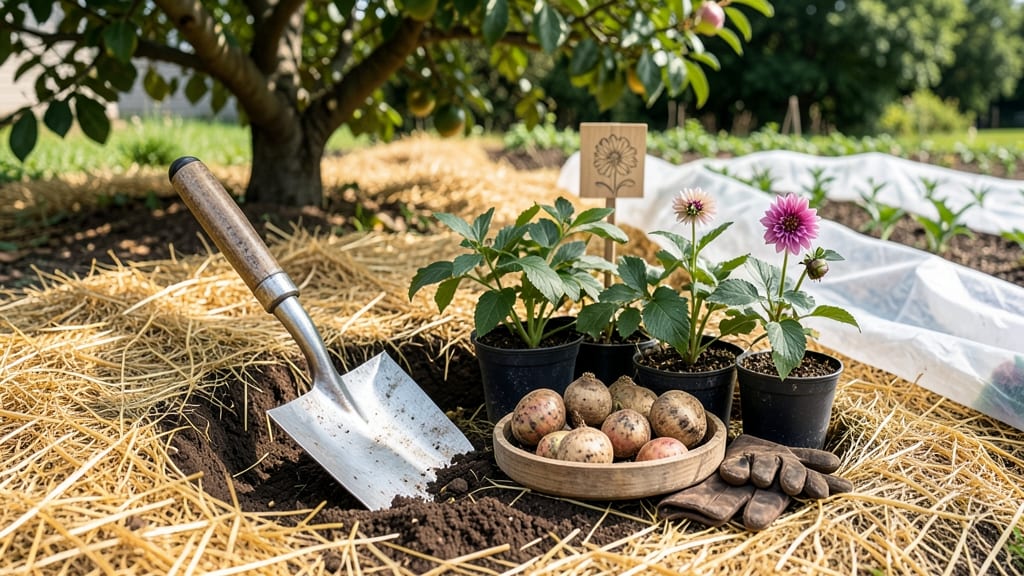
Planting dahlia bulbs in Massachusetts at the wrong time means either watching your garden bolt into early blooms or losing them to frost before they even emerge.
I’ve learned the hard way—skipping the soil temperature check or ignoring last frost dates can turn your 🌸 dahlia dreams into a sad pile of frozen tubers. But here’s the good news: with the right timing, you’ll enjoy vibrant blooms from July through October, even in our Zone 5b-6b climate.
This isn’t just about waiting for spring to arrive—it’s about reading your soil, knowing your microclimate, and giving those tubers the perfect head start.
I’ll walk you through the exact steps to plant them after last frost, when the ground reaches 60°F, and how to protect them if a late frost sneaks up.
Whether you’re a first-time gardener or a seasoned pro, these tips will help you skip the guesswork and get those dahlias thriving—no wasted effort, no bolted blooms, just zero-stress summer color.
Massachusetts frost dates: the exact window to plant dahlias without bolt risk
Massachusetts gardeners face a 165-day frost-free window—the perfect timeframe for dahlias to thrive. In USDA Zones 5b-6b, the average last frost date falls between April 15 and May 1, while the first frost typically arrives around October 15.
These dates create your planting window, but microclimates can shift it by 1-2 weeks.
Urban areas like Boston often experience frost 1 week later than rural zones due to the urban heat island effect. Meanwhile, higher elevations in the Berkshires may see frost 7-10 days earlier.
Always check your local frost records from the National Weather Service or Massachusetts State Climatologist for precision.
For dahlias, the ideal planting window is 2-4 weeks after your last frost, once soil temperatures reach 60°F. This timing ensures roots establish before summer heat arrives. In western MA, aim for late April to early May, while eastern MA gardeners should wait until mid-May.
Here’s how to calculate your exact window: Subtract 120 days from your first frost date. For example, if frost hits October 15, your planting deadline is June 15. Planting after this risks bolting (premature flowering) or stunted growth.
🌱 Massachusetts Dahlia Planting Timeline
| Region | Last Frost Date | Ideal Planting Window | Soil Temp Goal |
|---|---|---|---|
| Western MA (Pittsfield) | April 20 | May 5–15 | 60°F+ |
| Central MA (Worcester) | April 25 | May 10–20 | 60°F+ |
| Eastern MA (Boston) | May 1 | May 15–25 | 60°F+ |
| Cape Cod (Provincetown) | May 10 | June 1–10 | 60°F+ |
⚠️ Note: Adjust for 3-5°F warmer microclimates near south-facing walls or paved areas.
If you’re eager to start earlier, chit your bulbs indoors 4-6 weeks before planting. Place them in a bright, cool spot (60-65°F) with the eyes facing up. Once sprouts reach 2-3 inches, they’re ready for the garden. This trick extends your bloom season by 2-3 weeks.
For fall planting, Massachusetts gardeners can try late summer (August) in warmer microclimates, but dahlias need 8-10 weeks to establish roots before frost. This method is riskier but can yield smaller blooms if successful. Stick to spring planting for reliable results.
Pro tip: Use a soil thermometer to confirm 60°F soil temps before planting. Cold soil slows root growth and increases rot risk. In wet springs, like 2023’s, delay planting until the ground dries enough to crumble easily.
Remember, dahlias are tender perennials—they won’t survive Zone 5 winters outdoors. Dig up tubers after frost and store them in cool, dry conditions (35-40°F) until next spring. This annual cycle lets you reset your planting window each year with fresh vigor.
By aligning your planting with local frost data and soil conditions, you’ll avoid the #1 mistake Massachusetts gardeners make: rushing dahlias into cold soil. Patience here means bigger blooms and longer seasons—worth the wait! 🌸
Pre-planting preparation: soil, location, and bulb care for Massachusetts dahlias
Before you even think about digging into the dirt, preparing your soil and bulbs is the secret to zero-stress dahlia growth in Massachusetts. I’ve seen too many gardeners rush this step only to watch their dahlias struggle with poor drainage or fungal rot—especially in our wet springs.
Let’s fix that.
Start by testing your soil pH. Dahlias thrive in slightly acidic to neutral soil, ideally between 6.0 and 7.0. If your soil is heavier clay (common in MA), mix in compost or aged manure to improve drainage.
A quick soil test kit from your local garden center will save you guesswork.
Now, let’s talk bulb preparation. Many gardeners make the mistake of planting dahlia tubers straight from storage. Instead, give them a head start by chitting them indoors 4-6 weeks before your last frost date.
Place the tubers in a tray with the eyes facing up, cover with 2-3 inches of moist potting mix, and set them in a bright, warm spot (around 65°F). Within weeks, you’ll see sprouts popping through—a sure sign your dahlias are ready for the garden.
Here’s a critical tip for Massachusetts gardeners: if you’re planting in heavy clay soil or an area prone to standing water, consider raising your dahlias in containers or raised beds.
This prevents root rot and gives you better control over drainage. Just make sure your containers have drainage holes and are at least 12 inches deep.
⚠️ MA-Specific Warning: Avoid Early Planting Pitfalls
Never plant dahlia tubers before the soil reaches 60°F—this is a hard rule in Zone 5b-6b. Cold soil causes rot and stunted growth. Use a soil thermometer to check; if it’s below 60°F, wait. Also, avoid planting in low-lying areas where frost lingers longer, like valleys or shaded spots near buildings.
Once your soil is prepped and bulbs are chitted, choose a sunny location with at least 6 hours of direct sunlight daily. Dahlias are heavy feeders, so work in a balanced fertilizer (like 5-10-10) at planting time.
For extra protection against late frosts, have row covers or frost cloths ready—trust me, they’re lifesavers in unpredictable MA springs.
Finally, space your tubers correctly: plant them 4-6 inches deep and 12-15 inches apart for dwarf varieties, or up to 24 inches apart for tall varieties. This gives their roots room to spread and reduces competition for nutrients.
With these steps, your dahlias will burst into bloom like clockwork—no wasted effort, just stunning summer color.