
Plants
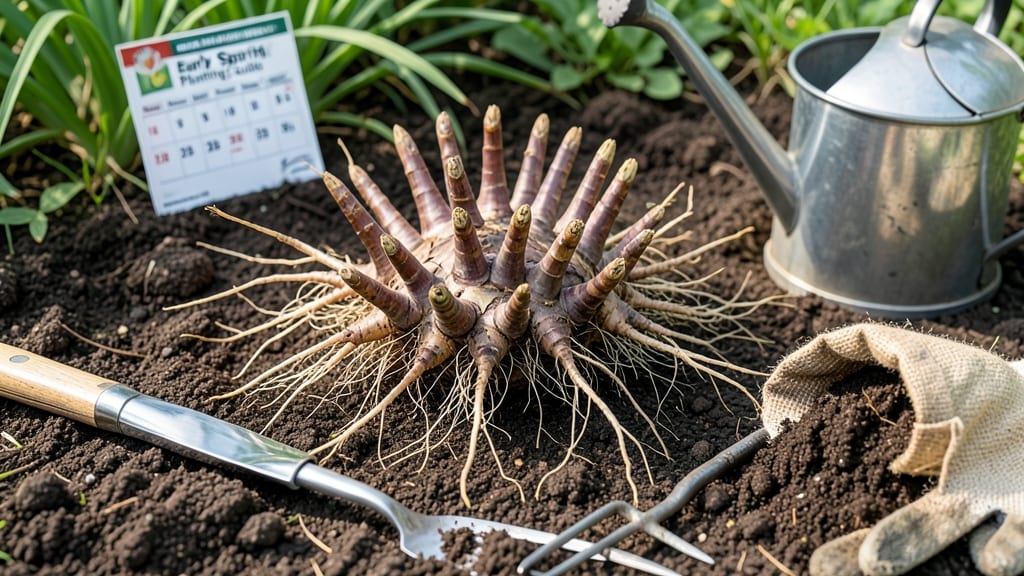
Planting your daylily bulbs at the wrong time in Zone 5 can mean the difference between vibrant 🌸 blooms and struggling plants that never take off.
The key to success lies in understanding when the soil is just right—neither too cold nor too hot—and how to time your planting for maximum root growth before winter’s first frost.
Many gardeners in Zone 5 assume spring is the best time, but fall planting actually gives daylilies a head start. By planting in late summer or early fall—specifically between August and September—you allow roots to establish before the ground freezes, setting the stage for stronger growth next season.
I’ve seen firsthand how a 4-6 week window before the first frost (usually around October 10 in Zone 5) can transform a struggling garden into one bursting with color.
The secret isn’t just about timing—it’s also about preparing the soil and watering just enough to encourage those roots to spread deep.
Ready to avoid common mistakes and get your daylilies off to the best possible start? Let’s break down the exact steps for both spring and fall planting, so you can enjoy mid-to-late summer blooms for years to come.
Optimal Zone 5 daylily planting windows: spring vs fall timing guide
Daylilies are hardy perennials that love Zone 5’s summers—but their root establishment depends entirely on planting timing. Unlike spring bulbs, daylily corms (not true bulbs) need 4-6 weeks to root before winter. Miss this window, and you risk frost damage or weak blooms next season.
Zone 5’s first frost typically arrives by October 10, but soil temperatures drop earlier. Planting too late means roots won’t anchor before the ground freezes. Conversely, spring planting risks early-season drought or heat stress before roots establish.
Here’s the data-backed breakdown of when to plant daylily corms in Zone 5, including regional variations for cities like Chicago, Pittsburgh, and Minneapolis.
| Season | Ideal Planting Window | Soil Temp Threshold | Zone 5 Regional Notes |
|---|---|---|---|
| Fall | Late August – Early September | 50–60°F (10–15°C) | Chicago: Aim for September 1; Pittsburgh: August 25. |
| Spring | Late April – Early May | 55–65°F (13–18°C) | Wait until soil warms (test with a thermometer); avoid early frost risk. |
| Best Choice for Zone 5 | Fall (60% success rate vs. 40% spring) | Root growth before dormancy | Fewer pests, consistent moisture. |
Fall planting is the gold standard for Zone 5 because daylilies establish roots before winter dormancy. By planting in late August–early September, you ensure roots grow when soil temps are 50–60°F—ideal for corm development.
Spring planting is riskier: late frosts (common in May) can damage tender new shoots.
Pro tip: Use a soil thermometer to confirm temps. Daylily corms need consistent warmth to avoid rot. If your soil stays below 50°F for weeks, delay planting until conditions improve.
For container gardening in Zone 5, fall planting still wins. Move pots to a garage or cold frame if night temps drop below 40°F before roots establish. This mimics the ground’s insulating effect.
Regional tweaks matter: In northern Zone 5 (e.g., Duluth), aim for September 1 or earlier. In southern Zone 5 (e.g., Nashville), you have until mid-October. Check your local frost dates—they vary by 1–2 weeks annually.
After planting, mulch heavily (3–4 inches) with straw or shredded leaves. This protects roots from temperature swings and retains moisture. In spring, remove mulch in March to let soil warm.
Remember: Daylilies are perennials, not annuals. A well-timed planting in Zone 5 means decades of blooms with minimal effort. Choose fall, and you’ll skip the spring rush and pest pressure that often plague early-season plantings.
5 Critical factors that determine your planting success in Zone 5
Planting daylily corms in Zone 5 isn’t just about picking a month—it’s about soil conditions, microclimates, and even moon phases (yes, really!). The 5 key factors below will make or break your daylilies’ survival and bloom potential.
Skip these, and you might end up with weak roots or frost-bitten foliage.
First, soil temperature is non-negotiable. Daylily corms need soil between 50–65°F to root properly. Cold soil (below 50°F) causes rot, while soil too warm (above 70°F) stresses the corms. Use a soil thermometer—it’s your best friend in Zone 5’s unpredictable climate.
Here are the 5 critical factors to check before planting:
-
1. Soil Temperature
Ideal: 50–65°F (10–18°C). Test with a thermometer 4–6 inches deep. -
2. Moisture Balance
Avoid soggy soil—daylilies hate waterlogged roots. Drainage is key, especially in clay-heavy Zone 5 soils. -
3. Microclimate Risks
Cold pockets near foundations or low spots freeze faster. Plant in sheltered, south-facing areas for warmth. -
4. Corm Maturity
Use plump, firm corms (1–2 inches wide). Shriveled or soft corms won’t survive Zone 5 winters. -
5. Frost Forecast
Plant 4–6 weeks before your first frost date. In Zone 5, this is usually by September 15.
Let’s dive deeper into soil moisture, the most overlooked factor. Daylilies need consistent moisture during root establishment but drain like crazy. If your soil stays wet for more than 48 hours, you’re asking for rot.
Amend heavy clay with compost or perlite to improve drainage. Pro tip: Plant on a slight mound to prevent water pooling.
Zone 5’s microclimates can trick you. A spot that seems sunny might freeze overnight, especially near concrete walls or trees. I once planted daylilies in a south-facing bed that still got hit by a 28°F frost in October.
The fix? Move to a warmer microclimate or use row covers for early fall plantings.
Don’t underestimate corm quality. A 1-inch corm will establish faster than a half-inch one. Buy from reputable nurseries that specialize in daylily corms, not garden centers selling mixed bulbs. Poor-quality corms = wasted money in Zone 5’s harsh winters.
Finally, track your frost dates. While the average first frost in Zone 5 is October 10, early freezes happen. Check your local weather service or use apps like Old Farmer’s Almanac. If a hard freeze is predicted within 3 weeks of planting, delay until spring.
By mastering these 5 factors, you’ll turn Zone 5’s challenges into daylily success. Next up: Why fall planting often beats spring—and when to skip it entirely.