
Plants
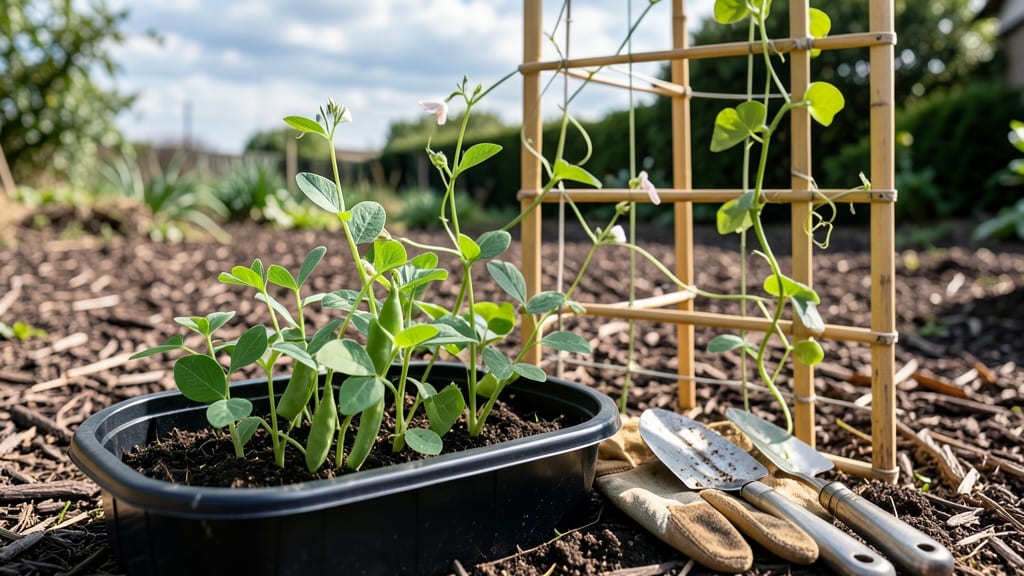
If you've ever wondered when to plant Dixie Lee peas in NC, timing is the secret to avoiding frost damage and maximizing your harvest.
These sweet, tender peas thrive in North Carolina's 7a-8b zones, but getting them in the ground too early or late can mean the difference between a bumper crop and wasted effort.
Most gardeners in the Tar Heel State know the struggle—planting too soon risks a late frost wiping out your 🌱 Dixie Lee peas, while waiting too long might leave you with fewer pods by summer.
The ideal window is mid-March to early April for spring planting, with a backup option in late summer for a fall harvest.
But here's the kicker: your exact county matters. Coastal areas like Wilmington have different frost dates than the Piedmont or mountains, so I’ll break down the frost-free timeline by region—plus pro tips to adjust for your microclimate. Ready to plan your perfect planting schedule?
You’ll also discover how to prep your soil, avoid common mistakes, and even extend your growing season with simple tricks. Let’s get those peas in the ground at just the right time!
NC county-by-county frost-free planting dates for Dixie Lee peas
North Carolina’s diverse climate means Dixie Lee peas thrive in different planting windows depending on your county. Coastal areas like Wilmington have longer growing seasons, while mountainous regions like Asheville need earlier starts. Let’s break down the optimal planting dates by region to ensure your peas mature before fall frost.
For most of North Carolina, the last average frost date falls between mid-March and early April. However, mountainous areas like Western NC can experience frost as late as April 15, while coastal regions like Outer Banks may be frost-free by mid-February.
Planting too early risks frost damage, while waiting too long cuts your harvest short.
Use this regional planting guide to align your Dixie Lee pea schedule with your county’s climate. Whether you’re in the Piedmont or Coastal Plain, timing is key to a bountiful yield.
If you’re unsure about your county’s last frost date, check the NC State Climate Office or use a frost calendar tailored to your ZIP code. For example, Asheville gardeners should wait until April 15 to plant, while Wilmington growers can start as early as late February.
This flexibility ensures your Dixie Lee peas mature before the first frost in November.
For a second harvest, consider a fall planting in late summer (around August). This works best in Coastal Plain regions with longer frost-free seasons. Use row covers to extend the season if needed.
Pro tip: Succession planting every 2 weeks after your initial sowing ensures a continuous harvest throughout the growing season. This is especially useful in shorter-season areas like the Mountains.
Always monitor your local weather forecasts in the weeks leading up to planting. A late frost can delay your start, while an early warm spell might encourage earlier sowing. Flexibility is key to successful pea cultivation in North Carolina’s varied climate.
Finally, pair your Dixie Lee peas with companion plants like carrots or radishes to maximize space and deter pests. With the right timing and care, you’ll enjoy a homegrown harvest that rivals store-bought quality.
Ready to plant? Grab your seeds and mark your calendar—your peas will thank you! 🌱
How to adjust Dixie Lee pea planting for NC’s microclimates
North Carolina’s diverse microclimates mean your planting schedule should shift depending on whether you’re in the mountains, Piedmont, or coastal plain. For example, Asheville’s cooler high-elevation zones (USDA 7a) need a later start than Wilmington’s warmer coastal areas (USDA 8b).
Even within 50 miles, soil temperatures can vary by 2-3 weeks, so adjust accordingly.
Start by checking your local frost dates—mountain regions like Boone average their last frost on April 15, while coastal areas like Morehead City see theirs by March 10.
For Dixie Lee peas, this means mountain gardeners should wait until mid-April, while coastal gardeners can plant as early as late February.
Soil temperature is just as critical as air temperature. Use a soil thermometer to confirm your soil has warmed to 60°F+ before planting. In the Piedmont, this typically happens by mid-March, but in the mountains, you might need to wait until late April.
For those in transition zones (like the Sandhills or western Piedmont), blend strategies. If your area has unpredictable late frosts, opt for succession planting—sow a second batch 2-3 weeks after your initial planting to stagger harvests.
This is especially useful in USDA 7b zones where frost can linger into April.
Watch for local weather patterns too. If your area experiences heat spikes in May, Dixie Lee peas may bolt prematurely. In these cases, plant shade cloth or choose faster-maturing varieties like ‘Early Perfection’ for a quicker harvest.
Coastal areas often face humidity challenges, so ensure good airflow between rows to prevent fungal diseases.
Pro tip: Keep a planting journal for 2-3 years to track your local microclimate’s quirks. Note when your peas thrive or struggle—this data will help you fine-tune future schedules. With these adjustments, you’ll maximize your Dixie Lee pea harvest regardless of where you garden in NC! 🌱