
Plants
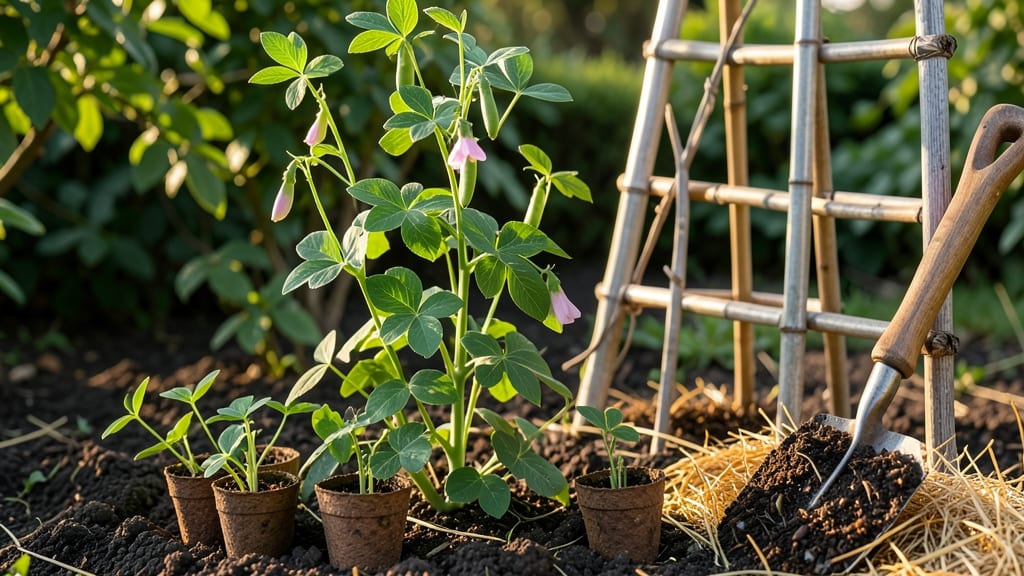
Timing your English pea 🌱 planting in Zone 7 can mean the difference between a sweet, tender harvest and tough, bitter pods. The right window ensures your plants thrive without bolting—those early flowers that turn your peas into stringy disappointment.
Most gardeners in Zone 7 (7a-7b) swear by early spring planting, but did you know fall can work too? I’ll break down the exact months to plant—plus how to prep your soil and pick varieties that actually perform in our climate.
No more guesswork, just flavorful peas from seed to table.
Whether you’re a first-timer or a seasoned gardener, getting the timing right is the key to avoiding common mistakes. We’ll cover soil temps, frost dates, and even how to stretch your harvest with succession planting. Ready to grow peas that taste like summer?
Let’s dive into the perfect planting schedule so you can enjoy fresh pods from late spring through early fall—without the bolting headaches. Your garden (and taste buds) will thank you!
Ideal spring planting dates for English peas in Zone 7
Timing is everything when planting English peas in Zone 7. The key is to start seeds 4-6 weeks before your last frost date, which for most of Zone 7 falls around March 15.
This window ensures your peas mature before summer heat triggers bolting—when plants rush to flower and produce tough pods. For Zone 7a, aim for late February to early March, while Zone 7b gardeners can wait until mid-March.
Soil temperature is your best guide. English peas thrive when soil stays between 40°F and 75°F. If your soil is still below 40°F in early March, wait until it warms up—cold soil slows germination and can lead to rot.
Use a soil thermometer to check, or press your finger into the soil: if it feels cool but not icy, it’s likely ready.
For a continuous harvest, consider succession planting. Sow a second batch 2-3 weeks after your first planting if your growing season is long enough. This works best in Zone 7b, where summers are slightly warmer.
Just be sure to pull up any struggling plants before they bolt to make room for fresh seedlings.
🌱
🌱 English Pea Spring Planting Guide for Zone 7
| Stage | Action | Key Details |
|---|---|---|
| Soil Prep | Test soil pH | Aim for 6.0-7.0 |
| Planting Window | Start seeds indoors | 6-8 weeks before last frost |
| Outdoor Planting | Transplant seedlings | 4-6 weeks before last frost |
| Succession Planting | Sow second batch | Every 2-3 weeks until May |
| Harvest Window | Pick pods regularly | Starts May-June, ends by July |
Microclimates in Zone 7 can shift planting dates by 1-2 weeks. If you live in a valley or low-lying area, frost lingers longer, so delay planting until late March.
Conversely, hilltops or urban heat islands warm up faster—start seeds in early March. Observe your neighbors’ gardens: if their daffodils bloom, your soil is likely ready.
Choose bolt-resistant varieties like 'Sugar Snap' or 'Green Arrow' for Zone 7. These types handle warm spells better than traditional varieties. Pair them with a trellis or cage to save space and improve air circulation, which reduces disease risk.
Even in ideal conditions, peas need 1-2 inches of compost mixed into the soil before planting to prevent nutrient stress.
Watch for false starts—when seedlings emerge after a warm spell, only to die in a late frost. If nighttime temps drop below 25°F, cover young plants with frost cloth or a row cover.
Mulch with straw once plants are established to keep roots cool and moist. This is especially critical in Zone 7a, where late frosts are more common.
🌿
After planting, monitor your peas for signs of stress. Wilting leaves or yellowing foliage often signals overwatering or poor drainage. English peas need 1 inch of water per week, but their roots are shallow—water deeply in the morning to prevent fungal diseases.
If your soil feels clay-heavy, amend it with sand or perlite to improve drainage before sowing.
Finally, rotate your pea patch next year. Planting legumes like beans or clover in the same spot can deplete soil nitrogen, making it harder for future pea crops to thrive.
Zone 7’s humid summers also mean pea diseases like powdery mildew can spread quickly—so keep your garden clean and avoid overhead watering.
By following these spring planting guidelines, you’ll enjoy tender, sweet peas from late May through June—just in time for summer salads! 🌱
Fall planting strategy: how to grow English peas without bolting
Fall planting extends your English pea harvest into cooler months, but timing is critical to avoid bolting. In Zone 7, aim to plant 8-10 weeks before your first frost—typically late August to early September.
This window ensures peas mature before cold sets in, while still benefiting from cooler temperatures that prevent premature flowering.
Choose heat-tolerant varieties like 'Lincoln' or 'Green Arrow' for fall planting. These varieties handle warm soil better than traditional types and produce sweeter pods when grown in milder autumn conditions. Always check seed packets for days-to-maturity to align with your frost date.
Soil preparation is key for fall success. Test your soil's pH (6.0-7.0 ideal) and amend with compost to improve fertility. Peas thrive in well-draining soil—avoid heavy clay that stays soggy after summer rains. Raised beds work well if your garden soil is compacted.