
Flowers
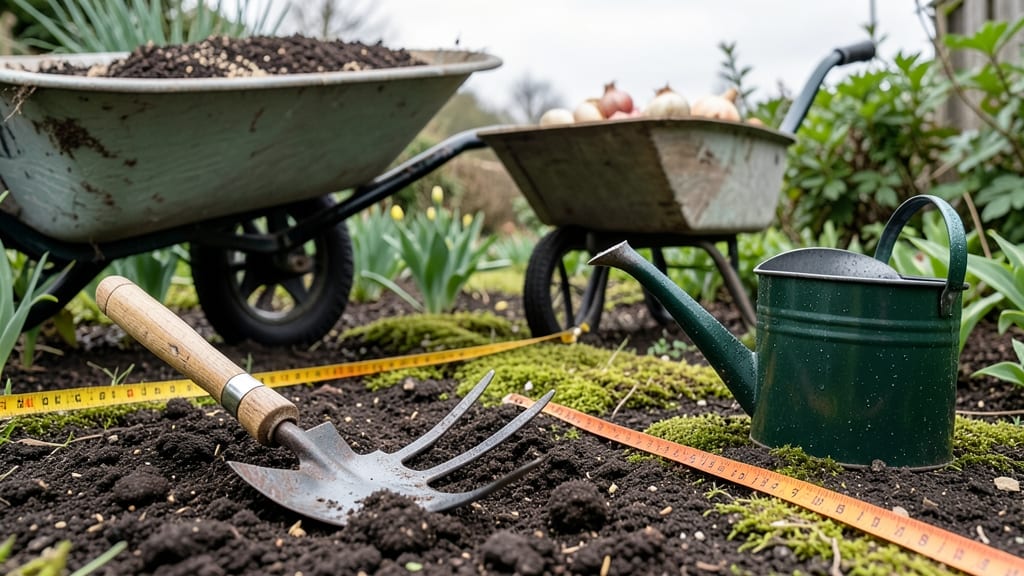
Planting flower bulbs 🌷 at the wrong time in autumn could mean the difference between a breathtaking spring garden and wasted effort. The ideal window—4 to 6 weeks before your first frost—gives roots time to establish while bulbs enjoy their critical cold period.
But here’s the catch: not all varieties need the same chill hours, and your local climate plays a bigger role than you might think.
If you’re in USDA Zone 6a (like me!), aim for late September to early November—when soil temperatures dip below 60°F but before the ground freezes solid. Miss this window, and you risk bulbs rotting or failing to bloom.
The good news? With a few simple adjustments—like soil prep and variety selection—you can turn even a late start into a stunning spring display.
Let’s break down exactly when to plant your favorites—from tulips to daffodils—and how to tweak timing for your microclimate. You’ll learn which bulbs thrive with just 6 weeks of cold and which demand 24 weeks of winter chill. Spoiler: knowing this saves you from guessing and money on replacements.
Ready to skip the trial-and-error? I’ll walk you through the science behind chill hours, zone-specific deadlines, and pro tips to avoid common mistakes. By the end, you’ll plant with confidence—and wake up next spring to a garden bursting with color.
Autumn planting timelines by USDA Zone: exact weeks before frost
Planting flower bulbs in autumn isn’t a one-size-fits-all task—your USDA zone dictates the perfect window. In Zone 3 (cold climates like Minnesota), aim for 8–10 weeks before frost (early September), while Zone 9 (mild areas like Southern California) can plant until December.
The goal? Let bulbs establish roots at 60°F soil before winter dormancy kicks in.
Most gardeners follow the 6–8 week rule: count backward from your average first frost date. For example, if frost hits November 15 in Zone 6 (like St. Louis), plant between September 20–October 5. Use your local cooperative extension service for precise frost dates—don’t guess!
Soil temperature matters more than air temperature. Use a soil thermometer to confirm 50–60°F at planting depth (typically 6–8 inches deep). In Zone 5, this might mean waiting until mid-October, while Zone 7 gardeners can start as early as mid-August.
Regional microclimates throw a wrench into timing. A south-facing slope warms faster than a north-facing garden, so adjust by 1–2 weeks earlier. Urban areas with heat islands may need later plantings, while high-altitude zones (like Zone 4 mountains) should plant 2 weeks earlier to avoid early freezes.
Here’s a quick cheat sheet for common USDA zones and their ideal planting windows:
| Zone | Planting Window | Soil Temp Goal | Notes |
|---|---|---|---|
| 3–4 | Early Sept–mid-Oct | 50–60°F | Early frost risk; use mulch |
| 5–6 | Mid-Sept–early Nov | 55–65°F | Flexible; adjust for microclimates |
| 7–8 | Aug–Dec | 60–70°F | Late plantings okay; avoid summer heat |
| 9–10 | Nov–Jan | 65–75°F | Plant after summer heat; water deeply |
Don’t overlook summer-flowering bulbs like dahlias or gladiolus, which need a late summer start (August in most zones). These bulbs thrive with 6–8 weeks of warm soil before cooler temps arrive. For tropical bulbs (e.g., canna lilies), wait until after your last frost—they’re frost-sensitive!
If you’re in a transition zone (like Zone 7b), split your planting: 60% in September for early bloomers like crocuses, and 40% in November for tulips needing extra chill hours. Layering bulbs by depth (shallow for snowdrops, deeper for alliums) also extends your bloom season.
Pro tip: Mark your garden with bamboo stakes after planting to remember where bulbs are buried. Next spring, you’ll avoid disturbing them while weeding. And if frost hits early? Cover bulbs with straw mulch (3–4 inches) to insulate roots until soil warms again.
Remember, late plantings can still work if you store bulbs in a cool, dark place (like a garage at 40°F) until soil temps drop. But rush planting risks rot—prioritize timing over convenience for the best spring blooms.
Chill-hour requirements for 15 top flower bulbs: which need cold to bloom?
Not all flower bulbs need the same amount of winter chill to bloom—some thrive with just 4 weeks of cold, while others demand 24 weeks in dormancy. Understanding these chill-hour needs ensures your bulbs won’t waste energy or fail to flower.
For example, crocuses and snowdrops bloom early with minimal chill, while tulips and hyacinths need deep winter cold to produce their best displays.
If you live in a mild-winter zone (like USDA Zone 8+), you’ll need to pre-chill bulbs or choose varieties bred for shorter dormancy.
Conversely, in colder climates (like Zone 3-5), most bulbs will naturally get enough chill, but timing still matters to avoid rot from early planting or failed blooms from late planting.
| Bulb Type | Chill-Hour Needs | Best Planting Window | Notes |
|---|---|---|---|
| Tulips | 12–16 weeks | 6–8 weeks before frost | Classic spring bloomers; needs deep cold |
| Daffodils | 10–14 weeks | 6–8 weeks before frost | Tolerates mild winters; blooms early |
| Hyacinths | 14–18 weeks | 6–8 weeks before frost | Fragrant but needs cold; pre-chill in Zone 8+ |
| Crocuses | 4–8 weeks | 8–10 weeks before frost | Early bloomers; plant late for winter color |
| Snowdrops | 0–4 weeks | October–November | Blooms in deep winter; no chill needed |
| Alliums | 16–20 weeks | 6–8 weeks before frost | Dramatic globes; needs full winter dormancy |
| Rain Lilies | 0 weeks | Late summer (July–August) | Summer bloomer; plant early for heat tolerance |
| Fritillaries | 18–22 weeks | 6–8 weeks before frost | Checkered blooms; needs deep cold |
| Muscari | 8–12 weeks | 6–8 weeks before frost | Grapelike flowers; versatile for borders |
For Zone 8+ gardeners, bulbs like tulips and hyacinths often need a pre-chill trick: plant them in containers, store them outdoors in a protected spot (like a garage), or use a refrigerator trick (wrap bulbs in damp peat moss and chill for 8–12 weeks before planting).
This mimics winter’s cold and tricks bulbs into blooming on schedule.
Conversely, summer-flowering bulbs like rain lilies and crinums break the mold—they don’t need chill hours at all! Plant these in late summer (July–August) so they establish roots before hot weather sets in. Their heat tolerance makes them perfect for Zone 9–11 gardens where traditional spring bulbs struggle.
Pro tip: If you’re unsure about your local chill hours, check your USDA Zone and cross-reference with bulb packaging. Most reputable nurseries list chill-hour requirements—don’t guess! A little research now saves you from bald patches next spring.