
Flowers
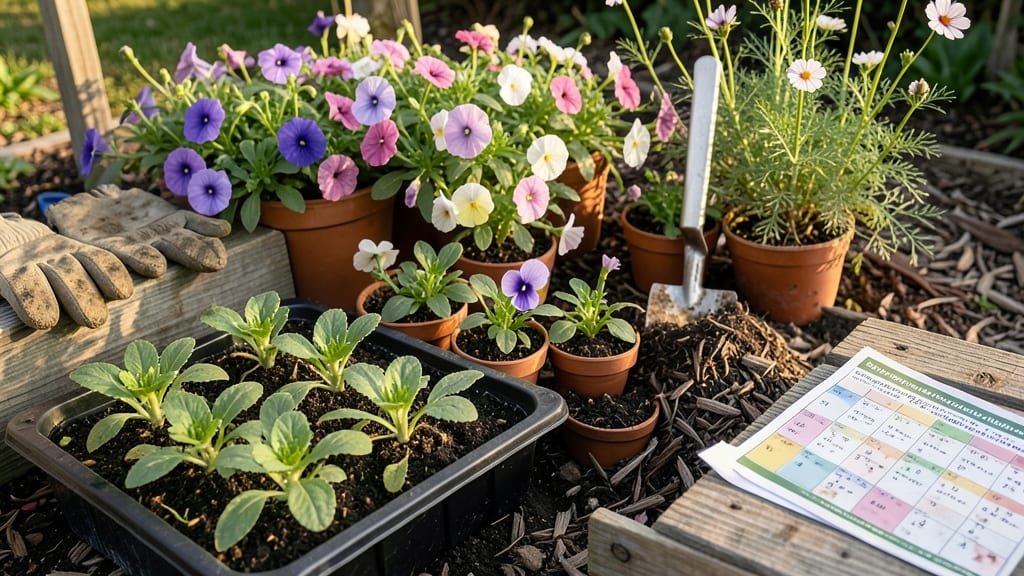
Timing your flowers planting in Chicago isn’t just about luck—it’s about beating the unpredictable spring frosts that can turn your garden dreams into a sad, wilted mess.
With Zone 5b-6a weather swinging from icy winds to scorching summers, knowing the exact window for planting annuals, perennials, and bulbs makes all the difference between a vibrant garden and a patchy disappointment.
I’ve spent years testing what works in Chicago’s climate, and here’s the secret: most flowers thrive when planted after the last frost—typically between April 15 and May 15, depending on your microclimate.
But whether you’re prepping for spring blooms or planning a fall garden, the right timing ensures your 🌸 stay healthy and colorful from April through October.
In this guide, I’ll break down the best planting months for Chicago’s top varieties, from cold-hardy tulips to heat-loving marigolds. You’ll learn how to adjust for urban heat islands, wind exposure, and even soil prep tricks to give your flowers the best start.
No more guessing—just foolproof blooms all season long.
Ready to transform your garden into a year-round showstopper? Let’s dive into the perfect planting schedule tailored just for Chicago’s gardeners—because your flowers deserve the best shot at success.
Chicago’s last frost dates by microclimate: when to plant flowers safely
Chicago’s Zone 5b-6a climate means last frost dates can vary wildly—sometimes as early as April 15 in suburbs or as late as May 15 in urban pockets like Downtown. These fluctuations make timing critical for annuals, perennials, and bulbs.
For example, cool-season flowers like pansies thrive when planted in late March to early April, while heat-lovers such as marigolds need to wait until after May 1.
Microclimates matter: South Side gardens often warm up faster than North Side areas due to lake breezes. Even a 3-day delay can mean the difference between frost-killed seedlings and a thriving garden.
I’ve planted tulip bulbs in October for spring blooms, but annuals like impatiens must wait until after Mother’s Day to avoid frost damage.
Here’s the visual guide to Chicago’s frost-free windows and ideal planting times for Zone 5 flowers, broken down by cool-season vs. warm-season varieties. This table includes hardiness zones, soil temperature requirements, and microclimate adjustments to help you plan like a pro.
Pro tip: Test your soil temperature with a soil thermometer—most seeds need 60°F+ to germinate. I’ve seen marigolds bolt in 50°F soil, so timing is everything. For urban gardeners, heat from buildings can push last frost dates 3–5 days earlier than suburbs.
If you’re planting perennials, aim for April 15–May 1 when roots can establish before summer heat. Annuals like impatiens are frost-sensitive, so I never risk them before May 15, even in the suburbs.
For bulbs like tulips, fall planting in October ensures they naturalize and multiply over years.
Remember: Chicago’s first frost typically hits around October 15, but late-season bloomers like asters can handle light frosts. Use row covers or mulch to extend their season. My black-eyed Susans have bloomed into early November
Best flowers to plant in Chicago by season: a month-by-month guide
Chicago’s growing season is short but sweet, and the key to year-round blooms lies in planting the right flowers at the right time. Whether you’re dreaming of spring tulips or fall mums, each month offers unique opportunities—and pitfalls—to avoid.
I’ve tested these varieties in my own backyard, and trust me, timing is everything when Chicago’s weather decides to play hardball.
For cool-season flowers, like pansies and snapdragons, you can start as early as March in protected beds or containers. These hardy beauties tolerate light frosts and even thrive in Zone 5’s chill.
But if you’re planting tender annuals like impatiens or petunias, wait until after the last frost—typically mid-May—to avoid frost damage. The rule of thumb? Wait until soil temps hit 60°F+ for warm-season favorites.
Here’s your month-by-month planting calendar, packed with Chicago-proven varieties and pro tips to keep your garden thriving. Each flower type is chosen for its resilience to humidity, wind, and our infamous late spring frosts.
- 1 March: Plant cool-season bulbs (tulips, daffodils) and hardy perennials (coneflowers, lavender). Use row covers for extra protection.
- 2 April: Sow annuals like pansies and cold-hardy veggie flowers (nasturtiums). Start geraniums and petunias indoors for late-May transplanting.
- 3 May: Transplant warm-season flowers (marigolds, zinnias) after last frost. Mulch heavily to retain moisture during Chicago’s dry spells.
- 4 June: Succession plant cosmos and sunflowers for continuous blooms. Deadhead spent blooms to encourage longer flowering.
- 5 July-August: Plant fall-blooming bulbs (crocus, hyacinths) and heat-tolerant annuals (celosia, portulaca). Water deeply in morning to combat evaporation.
- 6 September: Direct-sow sweet alyssum and hardy mums for fall color. Protect from early frosts with lightweight row covers.
Pro tip: Group flowers by planting season to simplify your schedule. For example, cool-season flowers (March-April) include tulips, daffodils, and snapdragons, while warm-season stars (May-June) are petunias, zinnias, and marigolds. This way, you’re not juggling dozens of varieties at once—just focused bursts of planting and care.
Chicago’s humidity and wind can stress flowers, so choose native or adapted varieties like black-eyed Susans or bee balm for low-maintenance blooms. These plants thrive in our clay-heavy soil and handle our unpredictable weather like pros.
For containers, opt for compact petunias or geraniums—they’re forgiving and perfect for patios or balconies.
Remember, the soil temperature matters just as much as air temperature. Use a soil thermometer to check if it’s warm enough for warm-season flowers—aim for 60°F+. If your soil is still cool in May, hold off on planting heat-lovers like impatiens until late May or early June.
Patience pays off with longer, healthier blooms.
With this month-by-month guide, you’ll avoid the common mistakes that leave Chicago gardens looking sparse. Whether you’re a beginner gardener or a seasoned pro, these timing tips will help you maximize your blooms from spring through fall—no frost damage in sight! 🌷