
Flowers
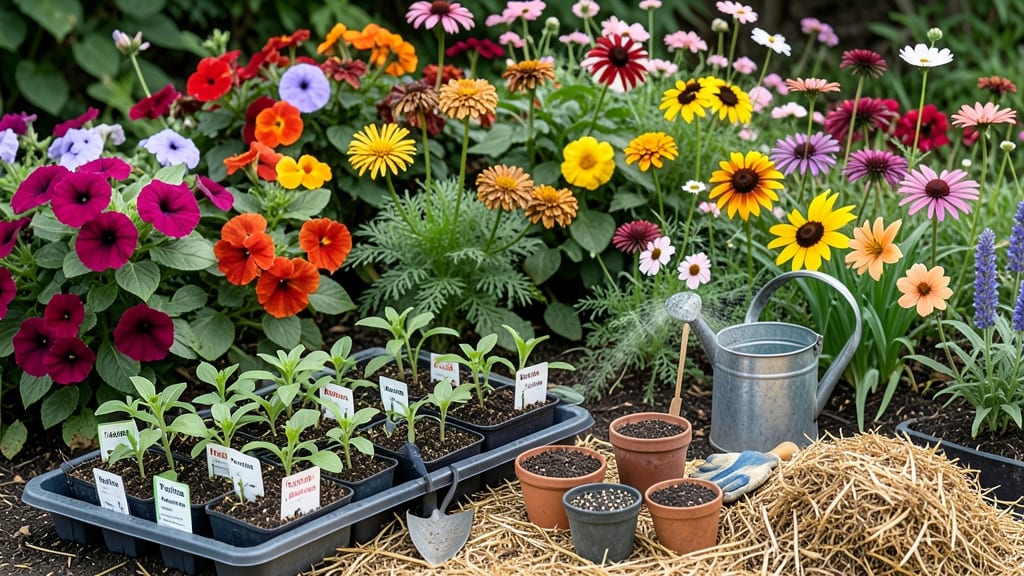
Timing your flower planting in North Carolina isn’t just about following a calendar—it’s about reading the land. Whether you’re in the humid Coastal Plain or the cooler Mountain regions, getting it wrong can mean struggling seedlings or missed blooms.
The key? Understanding your zone’s last frost dates and soil temperatures, because even 5-degree differences can change everything.
Spring planting might feel like the obvious choice, but fall often delivers more reliable results for many varieties. I’ll break down exactly when to plant everything from annuals to perennials, so you can avoid the common mistakes that trip up even experienced gardeners.
Think of this as your cheat sheet for North Carolina’s unpredictable growing seasons.
We’ll cover the best flowers for your region—whether you’re dreaming of vibrant azaleas or hardy chrysanthemums—and when to start seeds indoors vs. direct-sowing outdoors. Trust me, knowing these details can save you hours of frustration and a whole lot of wasted money on plants that won’t thrive.
Let’s get your garden blooming like never before.
Ready to transform your yard? I’ll walk you through soil prep, mulching tips, and even how to use local resources like NC State Extension to fine-tune your planting strategy. No more guesswork—just beautiful, healthy flowers that last all season long.
North Carolina flower planting calendar by climate Zone (spring vs fall)
North Carolina’s diverse climate zones—ranging from Zone 3A in the mountains to Zone 8A along the coast—make planting timing critical for flower success. Unlike one-size-fits-all advice, your local frost dates and soil warmth dictate the perfect window for annuals, perennials, and bulbs.
For example, mountain gardeners in Zone 6B should start spring flowers 4-6 weeks earlier than coastal gardeners in Zone 8A due to later frost risks.
Spring planting typically begins when daytime temperatures consistently stay above 50°F and nighttime lows don’t dip below 40°F. However, fall planting often offers cooler soil benefits and fewer pests, making it ideal for many flowers.
Below, I’ve broken down the optimal planting windows by zone, including key frost dates and soil temperature targets to help you plan like a pro.
🌱 Pro Tip: Always check your exact last frost date using the NC State Extension’s Planting Calendar—it’s free and tailored to your county. For most of NC, this falls between mid-March (coastal) and late April (mountains), but microclimates can shift these dates by 2-3 weeks.
🌿 North Carolina Flower Planting by Zone & Season
| Zone | Spring Planting Window | Fall Planting Window | Key Soil Temp (°F) | Last Frost Date |
|---|---|---|---|---|
| 3A (Mountains) | Late May - Early June | Early August - Mid-Sept | 55-65°F | Mid-May |
| 5B (Piedmont) | Mid-April - Late May | Late July - Early Sept | 60-70°F | Early April |
| 7A (Coastal Plain) | Early March - Mid-April | Mid-August - Late Sept | 65-75°F | Mid-February |
| 8A (Outer Banks) | Late February - Early March | September - Early Oct | 70-80°F | Early February |
🌡️ Soil temp is more critical than air temp—use a soil thermometer to confirm readiness.
For spring planting, focus on cool-season annuals like pansies and snapdragons in Zones 7A-8A, while warm-season flowers (e.g., zinnias, marigolds) thrive when planted after the last frost.
In Zone 3A, wait until late May to avoid frost damage to tender seedlings. Fall planting is ideal for bulbs like tulips and perennials such as chrysanthemums, which establish roots before winter dormancy.
One common mistake I see is planting tender annuals too early in Zone 5B or higher. For example, petunias and geraniums often bolt or wilt if planted before May 15 in the Piedmont.
Instead, start these indoors in March or use season extenders like row covers for early outdoor planting.
If you’re planting bulbs for spring blooms, fall is your best bet—tulips and daffodils need 6-8 weeks of chilling to flower.
In Zone 7A, plant them by mid-October; in Zone 3A, aim for September to avoid winter heaving. 🌷 Pro Tip: Add a 2-inch layer of mulch after planting to protect bulbs from temperature swings.
For container gardening, adjust your timeline by 2-3 weeks earlier than in-ground planting. Containers heat up and dry out faster, so warm-season flowers like vinca or portulaca can go in 2 weeks before
Best spring-blooming flowers for North Carolina gardens (and when to start seeds)
North Carolina’s spring blooms are a gardener’s highlight, but timing is everything. If you plant too early, a late frost can wipe out your tender seedlings. If you wait too long, you might miss the ideal window for maximum summer blooms.
The key is knowing when to start seeds indoors versus direct-sowing outdoors, depending on your USDA zone.
For Zone 7b-8a (most of NC), start cool-season annuals like pansies and snapdragons indoors in early February. These can handle light frosts and will bloom earlier than summer flowers. Meanwhile, warm-season favorites like marigolds and zinnias should wait until mid-April for direct sowing when soil temps hit 60°F+.
Here’s my go-to list of top-performing spring flowers for NC gardens, ranked by bloom time and care ease:
- Azaleas & Rhododendrons (Zones 5-8) – Plant bare-root in late fall or early spring (Oct-Nov or Feb-Mar). These evergreens thrive in NC’s acidic soils and bloom in April-May.
- Daylilies (Hemerocallis) – Start seeds indoors in March or divide mature clumps in early spring (March-April). Their drought tolerance makes them perfect for NC’s heat.
- Black-Eyed Susans (Rudbeckia) – Direct sow after last frost (mid-April in most zones). These perennials self-seed aggressively, giving you free blooms for years.
- Lantana – Start seeds indoors in February or transplant young plants in May. Its heat-loving nature makes it a summer staple, but early starts ensure bigger blooms.
- Coneflowers (Echinacea) – Direct sow in April-May or transplant established plants. Their pollinator-friendly blooms last from June-October with minimal care.
Pro tip: Use row covers if planting early to protect seedlings from unexpected late frosts. I’ve lost more than a few tender annuals to a surprise 28°F night—don’t let that happen to you! Monitor your local NC State Extension frost forecasts for real-time updates.
For container gardens, start seeds 4-6 weeks earlier than outdoor planting dates. Containers warm up faster, giving seedlings a head start. Just
Spring planting is all about balance—give your flowers the right start, and they’ll reward you with months of color. The secret? Pay attention to soil temps, not just calendar dates. Use a soil thermometer to confirm 50°F+ for cool-season crops and 60°F+ for warm-season favorites.