
Plants
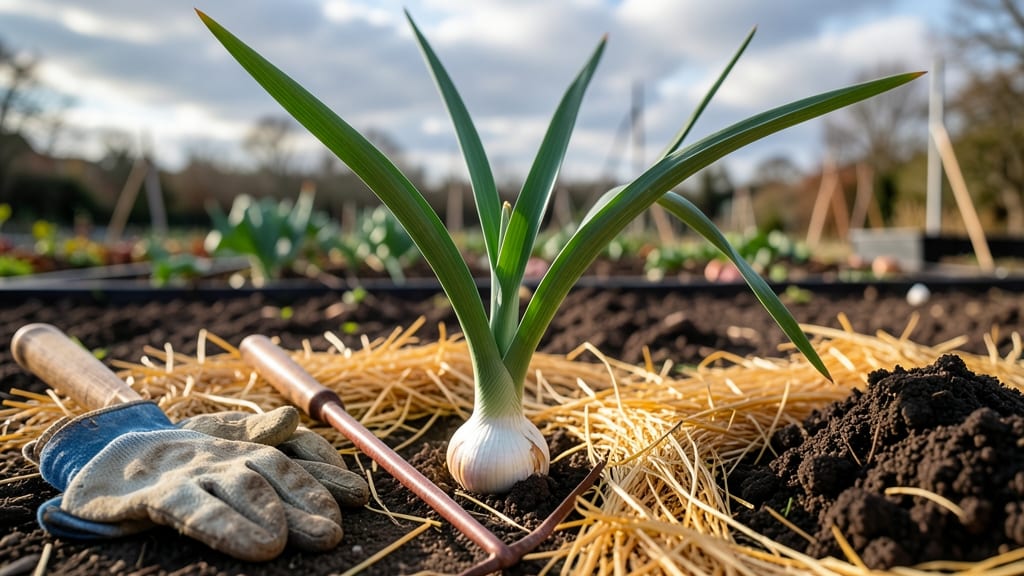
Optimal planting windows for South Louisiana garlic: month-by-month breakdown
South Louisiana’s humid subtropical climate (USDA Zones 8a-9a) demands precise timing for garlic to thrive. Unlike northern regions, we can’t rely on cold winters to trigger dormancy—our mild winters and long growing season require strategic planting to avoid bolting or fungal issues.
The key? Planting 4-6 weeks before the first frost (typically October-November) gives garlic enough time to establish roots before winter slows growth.
Hardneck varieties (like 'Music' or 'German White') perform best in our climate because they tolerate moderate heat and humidity better than softnecks. Softnecks (such as 'Silverskin') can handle our summers but often struggle with fungal diseases if planted too late.
The 90-day growing season here means we must align planting with harvest windows to avoid summer heat stress.
Here’s the breakdown of your planting windows, accounting for Louisiana’s frost dates and humidity spikes:
| Month | Best Time to Plant | Variety Recommendation | Notes for Louisiana |
|---|---|---|---|
| September | Early September (for hardy varieties) | Hardneck (e.g., 'Music') | Risk of bolting if planted too late; best for early harvests. |
| October | Ideal window (Oct 15-Nov 1) | Hardneck or softneck | Balances root establishment and winter dormancy; lowest fungal risk. |
| November | Late November (for early spring harvest) | Softneck (e.g., 'Silverbel') | Avoid planting after Nov 15; risk of poor bulb formation. |
| December | Not recommended | N/A | Soil temps too warm; garlic may bolt prematurely. |
For hardneck varieties, aim to plant by November 1 to ensure bulbs mature before summer heat sets in. These varieties produce scape stalks (useful for cooking!) but need cooler temperatures to form bulbs. Softnecks, like 'Artichoke', handle our heat better but require consistent moisture to prevent splitting.
Pro tip: Use mulch (straw or pine needles) after planting to insulate bulbs from temperature swings and retain moisture. In South Louisiana, December-January can bring unpredictable frosts, so mulch acts as a buffer. Avoid plastic mulch—it traps too much heat and moisture, promoting fungal diseases like white rot.
Your harvest window will be late April to early June, just as summer humidity ramps up. This timing lets you beat the peak fungal season while ensuring bulbs have fully matured. If you plant in early October, you’ll harvest larger bulbs with more cloves—ideal for braising or roasting.
One common mistake in our climate? Planting garlic in spring. While possible in cooler zones, South Louisiana’s high summer temperatures (often above 90°F) cause garlic to bolt prematurely, producing seed stalks instead of bulbs. Save spring plantings for green garlic harvests (young shoots) rather than full bulbs.
To maximize success, test your soil pH (aim for 6.0-7.0compost before planting. Louisiana’s clay-heavy soils benefit from organic matter to improve drainage—a must to prevent root rot during our humid summers. 🌱
Optimal planting windows for South Louisiana garlic: month-by-month breakdown
South Louisiana’s warm winters and long growing season create a unique opportunity for garlic lovers. Unlike northern climates, we can plant two crops per year—one in fall and another in winter—but timing is critical to avoid heat stress or fungal issues.
The key is planting 4-6 weeks before the first frost, which typically hits around December 1st in zones 8a-9a.
For the best flavor and yield, focus on October-November plantings when soil temps dip below 70°F. This gives bulbs enough time to establish roots before winter dormancy.
A second planting in January is possible for a summer harvest, but requires extra care to prevent bolting in the heat.
🌱 Did You Know?
| Planting Window | Ideal Month | Key Notes |
|---|---|---|
| Primary Planting | October-November | Hardneck varieties; harvest April-June |
| Secondary Planting | January | Softneck varieties; harvest July-August |
| Avoid Planting | February-March | Risk of bolting in summer heat |
| Soil Temp | Below 70°F | Critical for root establishment |
Hardneck garlic thrives in cooler winters and produces bold-flavored bulbs with scapes, making it the best choice for fall plantings. Softneck varieties, like Silverskin, handle warmer winters better and are ideal for January plantings if you want a summer harvest.
Just remember: never plant after February, or your garlic will bolt early and produce bitter, low-yield bulbs.
If you’re new to garlic growing, start with one fall planting to test your soil and microclimate. Mark your calendar for October 15th—this gives you a 6-week buffer before the first frost.
Use a soil thermometer to confirm temps are below 70°F before planting, especially in warmer microclimates like New Orleans.
For organic gardeners, add composted leaves to beds in September to improve drainage—a must in Louisiana’s clay-heavy soils. Mulch with straw after planting to protect cloves from temperature swings and fungal spores. This simple step can double your yield in humid conditions.
Harvest time arrives in late April-June for fall-planted garlic, when lower leaves turn brown and stems flatten. Cure bulbs in a shady, dry spot for 2-3 weeks before storing. With the right timing, you’ll enjoy homegrown garlic that’s 3x more flavorful than store-bought—plus, you’ll beat the summer heat! 🌿