
Plants
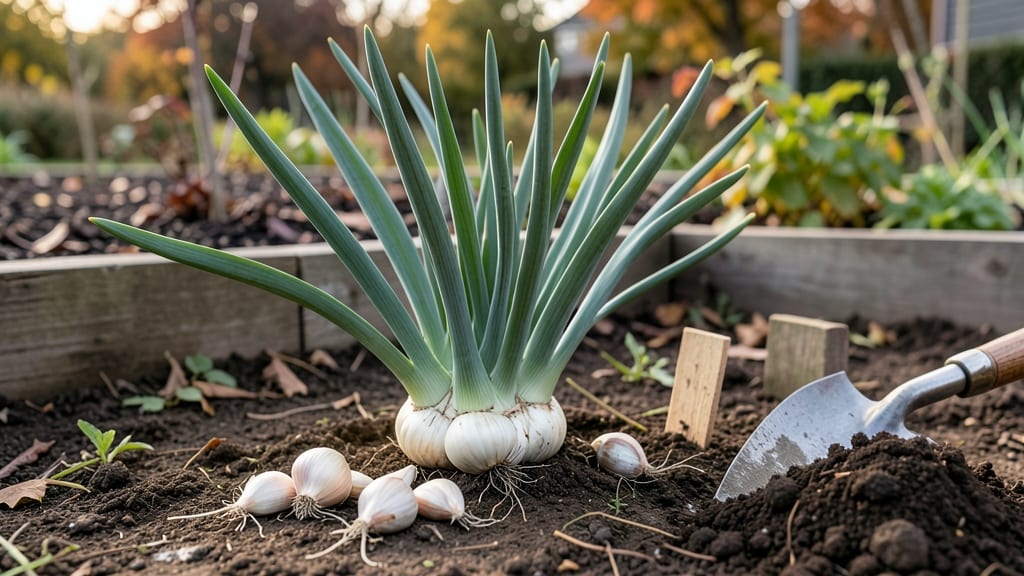
If you’ve ever wondered when to plant garlic in Tennessee for the biggest, boldest bulbs, the answer isn’t just about the calendar—it’s about understanding your 🧄 variety’s chill-hour needs and Tennessee’s unpredictable frost dates.
Here’s the deal: Planting garlic too early in Tennessee’s 6a-8a zones risks bolting, while waiting too long means missing the sweet spot for root establishment before winter. The ideal window—October through early November—gives your garlic the 6-8 weeks it needs to settle before the ground freezes.
But timing isn’t one-size-fits-all. Hardneck varieties like ‘Music’ thrive with 400-600 chill hours, while softnecks need 1,200+ hours. I’ll break down how to match your garlic type to Tennessee’s microclimates—whether you’re in the cooler East or warmer West—to guarantee a harvest late June to July.
Ready to skip the guesswork? Let’s dive into the exact planting schedule, soil prep tricks, and variety picks that’ll turn your Tennessee garden into a garlic goldmine.
Tennessee garlic planting calendar: chill-hours explained by variety
Garlic thrives in Tennessee’s USDA Zones 6a–8a, but the key to a successful harvest lies in chill hours. Most varieties need 300–1,200+ hours below 40°F to form bulbs. Planting too early risks premature bolting, while late planting may leave your crop underdeveloped.
Let’s break down the ideal 6–8 week window for Tennessee—typically October through December—and how to match varieties to your region’s microclimates.
Tennessee’s East vs. West divide matters. East TN’s higher elevations (e.g., Great Smoky Mountains) get colder faster, while West TN’s lower elevations (e.g., Memphis area) may need later plantings.
For example, Northeast TN (Zone 6a) should plant by mid-October, while Middle TN (Zone 7a) can extend until early November. Always aim to plant 4–6 weeks before the ground freezes.
Hardneck garlic (Music, Chesnok Red) dominates Tennessee gardens because it thrives in our moderate winters and produces scented bulbs. Softneck varieties (Silver White, Artichoke) are better for warmer microclimates (e.g., Shelby County) and store longer.
Below, compare their chill-hour needs and best planting windows to avoid common mistakes like small bulbs or poor flavor.
| Variety | Type | Chill Hours Needed | Best Planting Window (TN) | Harvest Time | Notes for TN |
|---|---|---|---|---|---|
| Music | Hardneck | 800–1,000 hrs | Oct 1–Nov 15 | Late June–July | Top TN variety; bold flavor |
| Chesnok Red | Hardneck | 900–1,100 hrs | Oct 15–Nov 10 | Late June–July | Cold-hardy; great for Zone 6a |
| Silver White | Softneck | 300–500 hrs | Nov 1–Dec 15 | July–August | Best for West TN; stores longest |
| German White | Softneck | 400–600 hrs | Oct 20–Nov 30 | July–August | Mild flavor; good for beginners |
| Inchelium Red | Hardneck | 1,000–1,200 hrs | Sep 20–Oct 15 | Late June–July | Best for Zone 6a; large bulbs |
If you’re in East Tennessee, prioritize hardneck varieties like Music or Chesnok Red, which handle shorter winters better. For West Tennessee’s warmer winters, softneck garlic (e.g., Silver White) may struggle if planted too early. Always check your
How to adjust planting dates for Tennessee’s microclimates and soil conditions
Tennessee’s microclimates can shift garlic planting windows by weeks, so don’t rely on a one-size-fits-all date.
For example, Northeast TN’s higher elevations (like Sevier County) may need garlic in the ground by October 1, while West TN’s lower elevations (like Shelby County) can wait until November 1.
Always check your last frost date—aim to plant 4–6 weeks before the ground freezes.
Soil temperature is just as critical as frost dates. Garlic cloves need soil temps between 50–60°F to sprout properly. Use a soil thermometer to confirm readiness—if temps drop below 40°F, your cloves may rot.
In Zone 6a, this often means planting by mid-October, while Zone 7a/8a gardeners can extend to late October or early November.
🌱 Callout Warning: Late frosts are Tennessee’s biggest garlic nemesis. If a hard freeze hits after planting, mulch immediately with straw or leaves (3–4 inches thick) to insulate cloves. Without protection, exposed garlic can heave out of the soil or suffer frost damage, leading to small, weak bulbs.
❄️ Late Frost Risk in TN
Tennessee’s unpredictable late frosts (especially in March) can devastate garlic. If temps drop below 20°F, cover plants with frost cloth or row covers.
🌱 Pro Tip: Plant near warm microclimates (e.g., south-facing fences) to delay frost exposure.
Prepping your soil is half the battle. Tennessee’s clay-heavy soils (common in Middle TN) drain poorly, causing garlic to rot. Amend beds with compost or aged manure to improve drainage, and avoid fresh manure—it can burn cloves and attract pests.
For sandy soils (like those in East TNorganic matter to retain moisture.
Mulching isn’t just for winter protection—it’s a year-round strategy. After planting, apply 2–3 inches of straw or shredded leaves to suppress weeds, retain moisture, and regulate soil temps.
In spring, remove mulch to prevent rot as garlic nears harvest. For organic gardeners, try grass clippings (weed-free) for a free, effective mulch.
Finally, elevation matters. Gardens in East TN’s mountains (e.g., Gatlinburg) may need garlic planted 2–3 weeks earlier than those in West TN’s valleys (e.g., Nashville). Use a local frost calendar (like the TN State Extension maps) to fine-tune your schedule.
With these adjustments, you’ll avoid the #1 mistake Tennessee gardeners make: planting too late and sacrificing bulb size.