
Plants
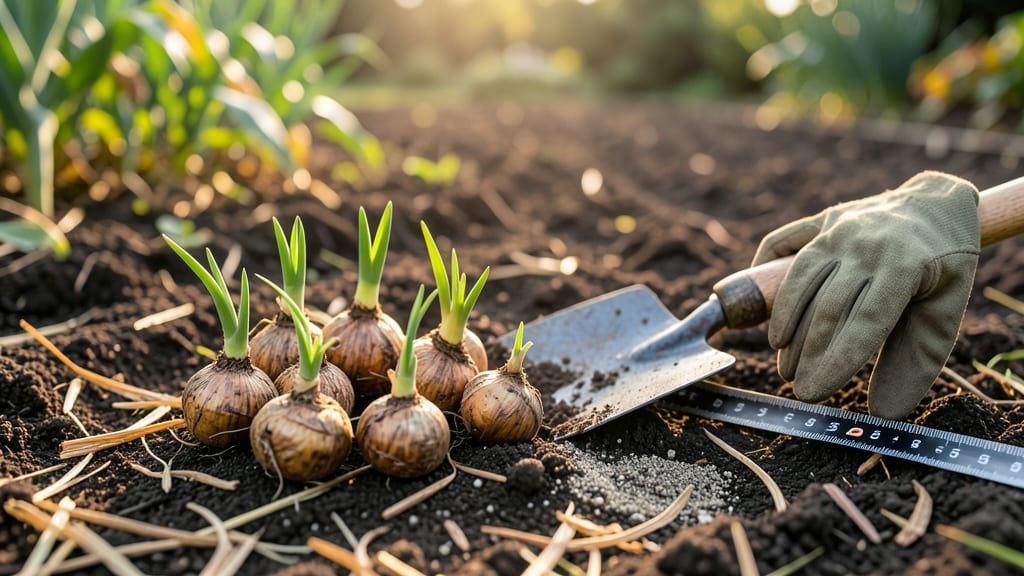
Planting your gladiolus bulbs at the wrong time in North Carolina can mean the difference between a garden full of 🌸 and a missed opportunity. With the state's warm climate and varying USDA zones (7a-8b), timing is everything to ensure those towering summer blooms make their debut.
If you've ever wondered why your gladiolus plants fail to thrive, it might be because you planted them too early or too late. The ideal window—mid-April to early June—aligns with soil warming up and the last frost passing (usually around March 15 in most regions).
But here's the catch: rushing the process can leave bulbs vulnerable to cold snaps, while waiting too long risks stunted growth before summer's heat sets in.
I'll break down exactly when to plant in your specific zone, what soil conditions to watch for, and how to adjust for North Carolina's microclimates—whether you're in the Piedmont or Coastal Plain.
You'll learn how to prepare your soil, space those corms correctly, and even troubleshoot common mistakes that keep gardeners from seeing those dramatic spikes of color.
By the end, you'll have a clear, actionable timeline to transform your garden into a gladiolus showstopper—no guesswork required. Let's get those bulbs in the ground at the perfect moment for bold, long-lasting blooms all summer long.
North Carolina gladiolus planting calendar by Zone 7a/7b (exact dates)
North Carolina’s USDA Zones 7a/7b offer a 6-8 week frost-free window for planting gladiolus bulbs—timing is everything for those dramatic summer blooms. Miss the mark, and you’ll either face late-season heat stress or frost damage to tender shoots.
The ideal window spans mid-April to early June, but your exact dates depend on whether you’re in the Coastal Plain or Piedmont regions.
In Zone 7a (cooler areas like the Mountains), aim for April 15–May 1 to avoid late frosts. Meanwhile, Zone 7b gardeners (like those in Raleigh or Charlotte) can plant as late as May 15 without risking cold snaps.
The key is waiting until soil temperatures hit 60°F—use a soil thermometer to check before digging.
Here’s the golden rule: Plant gladiolus corms 4-6 weeks before your last frost date. For most of NC, that means mid-April to early May.
If you’re in the Coastal region, you might extend planting into early June, but avoid July—your bulbs will bolt to flower too quickly, producing weak stems.
| Zone & Region | Last Frost Date | Ideal Planting Window | Soil Temp Requirement | Peak Bloom Time |
|---|---|---|---|---|
| Zone 7a (Mountains) | March 20–April 5 | April 15–May 1 | 60°F+ (15°C+) | July–August |
| Zone 7b (Piedmont) | March 25–April 10 | April 20–May 15 | 60°F+ (15°C+) | July–September |
| Coastal Plain (Zone 8a) | March 10–March 25 | April 1–June 1 | 65°F+ (18°C+) | June–August |
Pro tip: Use NC State Extension’s Frost Date Map to pinpoint your exact last frost date—it varies by just days even within the same county. For example, Asheville (Zone 7a) might frost until April 10, while Greenville (Zone 8a) could be frost-free by March 15.
Planting too early in warm zones risks premature sprouting from cold soil, while late planting in cooler zones delays blooms until fall.
Another critical factor is soil moisture. Gladiolus bulbs rot if planted in waterlogged soil, so avoid soggy spring months like March. Instead, wait for dry, warm spells in April or May.
If your soil stays damp, amend it with compost or sand to improve drainage. Raised beds are ideal for Coastal NC gardeners with heavy clay soil.
For container gardening, you can push the planting window later—gladiolus thrive in pots and can be planted up to June 1 in NC. Just ensure your containers have drainage holes and use a lightweight potting mix.
Place them in full sun and water consistently to prevent the soil from drying out too quickly.
Once planted, gladiolus need 6+ hours of sunlight daily to produce their signature spike-like blooms. In NC’s humid summers, mulch with straw or pine needles to retain moisture and deter slugs.
Remove spent blooms to encourage longer stems and deeper colors—this is especially important for late-summer varieties like ‘Black Star’ or ‘Green Gauntlet.’
If you’re growing gladiolus for cut flowers, plant in successive waves every 2 weeks from April to June. This ensures a continuous harvest from July through September. Stake taller varieties (like ‘Picasso’ or ‘Greenland Giant’) early—they can reach 5 feet tall and topple in NC’s summer storms.
Finally, mark your calendar for late October—that’s when you’ll dig up your gladiolus corms before the first frost. Store them in a cool, dry place (like a garage or basement) until next spring. Proper storage extends their lifespan for years of stunning summer displays.
🌸
5 Critical factors that determine your planting success (beyond dates)
While knowing the planting window is crucial, North Carolina’s microclimates and soil conditions can make or break your gladiolus success. For example, the Piedmont region (like Raleigh) has warmer soils earlier than the Mountains, so you can plant 2 weeks earlier without risking frost damage.
Meanwhile, Coastal NC gardeners face higher humidity, which increases fungal risks if bulbs aren’t planted at the right depth or spacing.
First, prioritize soil temperature over calendar dates. Gladiolus corms need soil at 60°F+ (15°C+) to sprout—colder soil delays growth and invites rot. Use a soil thermometer (just $10 at garden centers) to confirm readiness.
In Zone 7a, this might mean waiting until mid-April, while Zone 8a gardeners can plant by early April.
Next, consider bulb size. Larger corms (2+ inches in diameter) establish faster and produce taller, more robust stems. Smaller bulbs need longer to mature, so plant them 4-6 weeks earlier than larger ones.
Pro tip: Sort your bulbs by size before planting—this ensures even blooming across your garden.
North Carolina’s rainfall patterns also play a role. The Coastal Plain gets 12+ inches of rain in May-June, which can waterlog soil if drainage is poor. Amend heavy clay soil with compost or perlite to prevent rot.
In contrast, drier Piedmont areas may need drip irrigation to keep soil consistently moist during the first 30 days after planting.
- Soil Temp: Wait for 60°F+ (15°C+)—colder soil delays growth and invites rot. Use a thermometer to check!
- Bulb Size: Larger corms (2"+) sprout faster. Plant smaller bulbs 4-6 weeks earlier for even blooms.
- Rainfall: Coastal NC needs drainage fixes (compost/perlite); Piedmont may need drip irrigation.
- Sunlight: 6+ hours of full sun daily—NC’s summer heat accelerates growth, so stake tall varieties early.
- Companion Plants: Pair with marigolds or basil to deter pests like thrips and aphids.
Don’t overlook sunlight exposure. Gladiolus thrive in full sun (6+ hours daily), but NC’s intense summer heat can stress plants if they’re not acclimated. Start with morning sun and gradually increase exposure if planting in late May or June.
For container gardening, place pots in south-facing spots to maximize light.
Finally, choose the right companion plants. Gladiolus pair well with marigolds (repel pests) and basil (deters thrips). Avoid planting near tomatoes or peppers, which compete for nutrients and attract similar pests.
In humid NC summers, mulch with straw or pine needles to retain moisture and reduce slug activity—these pests love gladiolus foliage!
🌿