
Plants
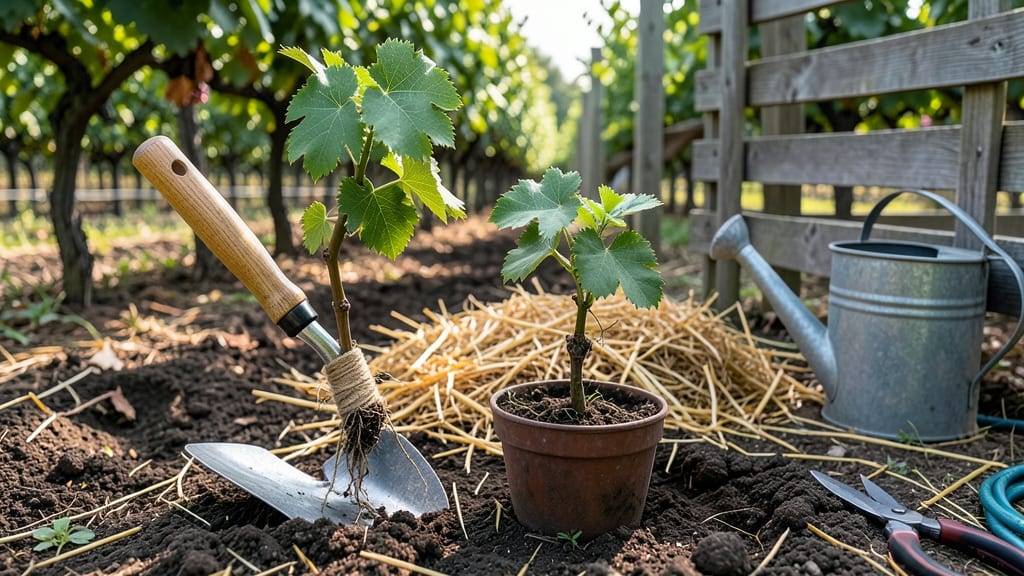
Timing your 🍇 grape vine planting in California isn’t just about following a calendar—it’s about outsmarting the state’s wild swings from coastal chill to inland heat. Get it wrong, and your vines could struggle to take root before summer’s scorching sun or a late frost.
But nail it, and you’ll set the stage for a thriving vineyard that yields sweet, sun-ripened fruit year after year.
Whether you’re growing wine grapes in Napa or table grapes in San Diego, the best planting window hinges on your microclimate.
Coastal areas like Zone 9-11 can start as early as February, while inland Zones 8-10 often wait until March or April—just before the soil warms enough to encourage strong root growth.
I’ll break down the exact months for your region, plus pro tips to avoid common mistakes that derail even the most eager gardeners.
You might assume bare-root vines are the only way to go, but potted plants can actually give you a head start in warmer zones. The key is preparing your soil with the right pH and drainage—especially if you’re in drought-prone areas.
I’ll walk you through the steps to ensure your grape vines hit the ground running, whether you’re a first-time grower or a seasoned vineyard enthusiast.
Ready to turn your backyard—or even a small plot—into a productive grape haven? Let’s dive into the best planting strategies tailored to California’s diverse climates, so you can enjoy that first harvest in just a few years.
Your future glass of homemade wine (or bowl of fresh grapes) starts with the right timing—and I’ve got you covered.
Best planting months for grape vines in California by region
California’s diverse microclimates mean the best planting months for grape vines vary dramatically from coastal San Diego to frost-prone Napa Valley.
In Northern California (USDA Zones 8-9), like Sonoma or Mendocino, plant bare-root vines in late winter (February–March) to avoid spring frosts. Central California (Zone 9-10), including the Central Valley, benefits from March–April planting, while Southern California (Zone 10-11) can plant year-round, but late winter to early spring is ideal for most varieties.
Soil temperature is critical—grape roots need 50°F+ soil to thrive. Inland areas like Madera or Fresno should wait until April to ensure warmth, while coastal regions like Santa Barbara can start as early as February.
Always check your local last frost date (e.g., January in Zone 9, February in Zone 8) to time planting perfectly.
For container-grown vines, adjust timing slightly—plant 1-2 weeks earlier in cooler inland zones or 1-2 weeks later in hot desert regions (e.g., Palm Springs) to avoid transplant shock. Potted grapes also need well-draining soil and morning sun exposure to prevent root rot.
🍇
If you’re planting wine grapes like Cabernet Sauvignon, aim for March in cooler zones—these varieties need 120+ frost-free days to mature. Table grapes (Thompson Seedless) are more flexible and can handle April planting in inland areas, while raisin grapes (Muscat) thrive with May starts in hot climates to avoid heat stress during flowering.
For bare-root vines, soak roots in water for 2-4 hours before planting to reduce transplant shock. In coastal regions, add 1-2 inches of mulch to protect roots from cool, damp soils, while inland areas should use gravel mulch to prevent overheating.
Always water deeply after planting—1-2 gallons per vine—to encourage root establishment.
Pro tip: Use UC Master Gardener Program resources for your county to get localized frost data and soil pH tests. Many counties offer free soil testing—critical for grapes, which prefer 5.5–7.0 pH.
Adjust planting dates if your soil test shows acidity or alkalinity extremes, as this can delay root growth by 30-50%.
In Southern California’s Mediterranean climate, you can even plant fall vines (September–October) for a winter harvest. However, avoid planting in peak summer (June–August)—100°F+ temperatures can cause root burn and poor establishment. Instead, opt for container planting in shaded patios if you must plant mid-year.
🌱
How grape variety affects planting timing in California
Not all grape vines are created equal—and neither are their planting schedules. In California, the variety you choose directly impacts when you should plant, as some grapes thrive in cooler climates while others crave heat.
For example, wine grapes like Cabernet Sauvignon need a longer growing season, so they’re best planted in early spring (March-April) in inland Zones 8-9. Meanwhile, table grapes like Thompson Seedless can handle warmer coastal areas, making February a safer bet in Zone 10.
Raisin grapes, such as Muscat, are the most heat-tolerant and can even be planted in late winter (January-February) in Southern California. The key is matching the grape’s cold hardiness to your local frost dates.
For instance, Chardonnay vines need protection from late frosts, so inland growers should delay planting until after mid-March.
| Variety | Best Planting Month | Cold Hardiness | Notes |
|---|---|---|---|
| Cabernet Sauvignon | March-April | Zone 8-10 | Needs long growing season; avoid frost-prone areas. |
| Thompson Seedless | February-March | Zone 9-11 | Heat-tolerant; ideal for coastal regions. |
| Chardonnay | April-May | Zone 8-10 | Sensitive to late frosts; plant after last frost date. |
| Muscat (Raisin) | January-February | Zone 10-11 | Thrives in heat; best for Southern California. |
| Flame Seedless | February-March | Zone 9-11 | Early ripening; great for table grapes. |
If you’re growing wine grapes, prioritize planting in early spring to ensure they mature fully before California’s summer heat peaks. For table grapes, a slightly earlier start (like late winter) works well, as they ripen faster.
Raisin grapes, however, can handle earlier planting because they’re bred for drought and heat resistance—perfect for San Diego or the Central Valley.
Pro tip: Check your grape variety’s days to maturity. Most wine grapes need 120-180 days to ripen, while table grapes often mature in 90-120 days. Plant accordingly to avoid a harvest during the hottest months, which can concentrate sugars too quickly and reduce flavor quality.
For container-grown vines, you’ve got more flexibility—just ensure your pots are large enough (at least 15-gallon) and use well-draining soil. Potted grapes can be planted 1-2 weeks earlier than in-ground vines because they warm up faster in the sun.
Just move them indoors or to a garage if unexpected frost threatens.
Remember, California’s microclimates mean your neighbor’s perfect planting time might not work for you. Always check local USDA Zone maps and consult your county agricultural extension for variety-specific advice. With the right timing, your grape vines will reward you with bountiful harvests for decades. 🍇