
Plants
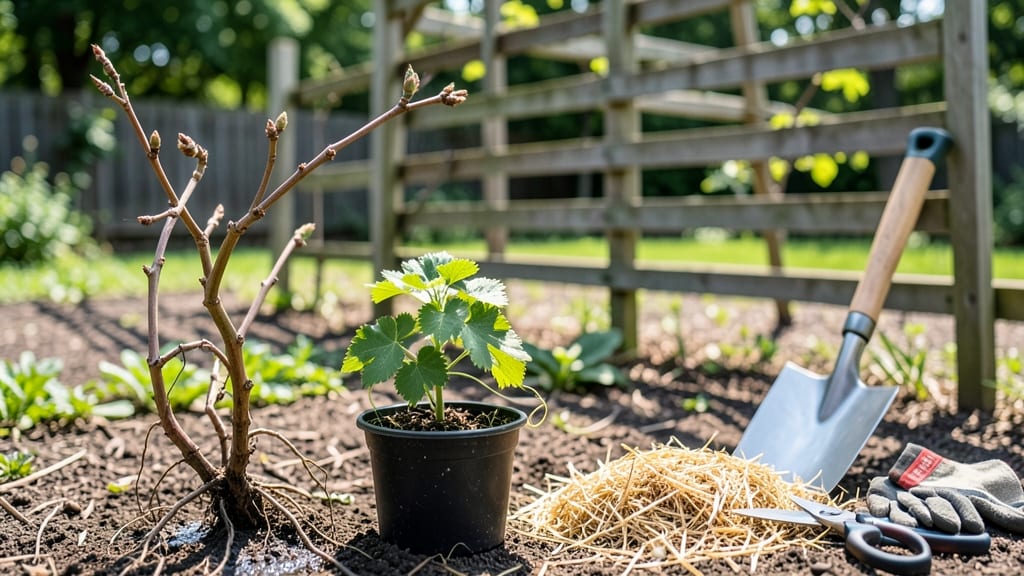
Planting grapes in Michigan isn’t just about throwing a vine into the ground and hoping for the best—it’s about timing your move to beat frost, soil warmth, and the state’s famously fickle weather.
With the right window, you can grow cold-hardy varieties like Marquette or Frontenac that thrive in zones 5b-6b, but get it wrong, and you’ll end up with winter-killed vines or stunted growth.
Most Michigan gardeners swear by early spring planting (April–May for bare-root grapes), when soil temperatures creep above 50°F and the threat of hard freezes has passed. But container-grown grapes can wait until May or even early June, giving you flexibility if your schedule’s tight.
The key? Planting before buds burst in late April—any later, and your grapes might not establish strong roots before winter hits.
Why does this matter? Because Michigan’s short growing season (just 160 frost-free days) leaves little room for error. Skip the guesswork and learn the exact months to plant, plus the soil prep tricks that’ll keep your 🍇 vines healthy from day one.
Whether you’re a first-timer or a seasoned grower, these insights will help you avoid the most common pitfalls—and set yourself up for a harvest-worthy crop by August or September.
Ready to dive in? I’ll walk you through the best planting windows, the cold-hardy varieties that perform best in Michigan’s climate, and the simple (but often overlooked) steps to ensure your grapes take root, grow strong, and reward you with plump, flavorful fruit.
Let’s get those vines in the ground the right way.
Best months to plant grapes in Michigan: exact timing for cold-hardy success
Michigan’s USDA zones 4-6 demand precise timing for grape planting—too early, and frost will kill tender roots; too late, and vines won’t establish before winter.
The ideal window is April through early May for bare-root plants, when soil temperatures hover around 50°F (10°C) and last frost threats have passed in most regions. Container-grown grapes can wait until late May or early June, but only if you’re in southern Michigan (zones 5b-6a).
For fall planting, Michigan’s first frost dates (mid-October in most areas) create a narrow window—typically mid-September to early October. This gives roots time to establish before dormancy, but only cold-hardy varieties like Marquette or Frontenac survive our winters.
Northern Michigan (Upper Peninsula) gardeners should plant 2-3 weeks later to avoid early frosts.
Soil temperature is your best guide, not the calendar. Use a soil thermometer to confirm 50°F (10°C) at 4-inch depth—this signals safe planting. In Detroit or Ann Arbor, this often aligns with mid-April, while Traverse City may wait until late April.
Urban areas with heat islands can plant 1-2 weeks earlier due to warmer microclimates.
🍇
Northern Michigan (Upper Peninsula) gardeners face shorter growing seasons and must adjust timing accordingly. In Marquette or Sault Ste. Marie, plant bare-root grapes in late April or container-grown varieties in early June to avoid late spring frosts.
These regions benefit from earlier fall planting (late August) to extend root establishment before winter. Always check your local frost dates—Michigan’s can vary by 2-3 weeks between north and south.
Container-grown grapes offer flexibility for Michigan gardeners, allowing planting up to early June in most areas. However, they require immediate watering and mulching to prevent root stress. If planting in June or July, choose dwarf varieties (like Valvin Muscat) that establish faster.
Avoid planting after July 15—vines won’t harden off in time for winter.
Soil preparation is non-negotiable in Michigan’s clay-heavy soils. Amend with compost or well-rotted manure to improve drainage, and ensure a slightly acidic pH (6.0–6.5). Plant grapes in a south-facing location with 6+ hours of sunlight—Michigan’s short summers demand maximum light exposure.
Install a trellis or arbor at planting to support future vine growth.
🌱
Post-planting care differs by season. For spring plantings, focus on consistent watering (1–2 inches per week) and mulching (3–4 inches of straw) to retain moisture. In fall-planted grapes, reduce watering in September to encourage dormancy.
Always prune dead wood in late winter (before buds swell) to prepare vines for Michigan’s harsh winters. With the right timing, your grapes will thrive despite Michigan’s challenges!
Best months to plant grapes in Michigan: exact timing for cold-hardy success
Michigan’s USDA zones 5b-6b demand precise timing for grape planting—get it wrong, and your vines could struggle through winter or fail to establish roots before frost. The ideal window is April through early May for bare-root grapes, when soil temperatures hit 50°F+ and the threat of hard freezes has passed.
This gives your plants 4-6 weeks to root before dormancy sets in.
For container-grown grapes, you’ve got a little more flexibility—plant them after the last frost (typically mid-April in southern Michigan, late May in the Upper Peninsula). This approach minimizes transplant shock while still allowing roots to settle before summer heat arrives.
Just avoid planting too late—June or later risks stunted growth before winter.
Here’s the visual breakdown of Michigan’s planting windows, soil conditions, and regional variations to help you pick the perfect time for your location:
| Planting Window | Soil Temp | Region Notes | Key Action |
|---|---|---|---|
| Early April | 40-45°F | Upper Peninsula (risky) | Soil prep only (plant later) |
| Mid-April | 45-50°F | Southern MI (safe for bare-root) | Plant bare-root grapes |
| Late April | 50-55°F | All regions (ideal) | Best time for container grapes |
| May | 55-60°F | Upper Peninsula (last chance) | Plant with mulch protection |
| June | 60°F+ | Southern MI only (late) | Risk of poor winter survival |
Pro tip: Use a soil thermometer to confirm temperatures—50°F+ is non-negotiable for root growth. In northern Michigan, aim for late April to early May to avoid early frosts, while southern Michigan gardeners can start as early as mid-April.
Always check your local Michigan State University Extension frost date maps for precision.
Fall planting is not recommended in Michigan—grapes need time to establish roots before winter dormancy. If you miss the spring window, hold off until next year and use the extra time to test your soil pH (6.0–6.5 ideal) and amend it with compost or sulfur.
A well-prepared site makes all the difference when your planting window finally arrives.
Once you’ve nailed the timing, the next step is choosing the right cold-hardy varieties—and I’ll cover the top 5 Michigan performers in the next section, including their unique planting quirks and disease resistance.
Don’t skip this part—it could mean the difference between a thriving vineyard and a sad, frozen disappointment! 🍇