
Plants
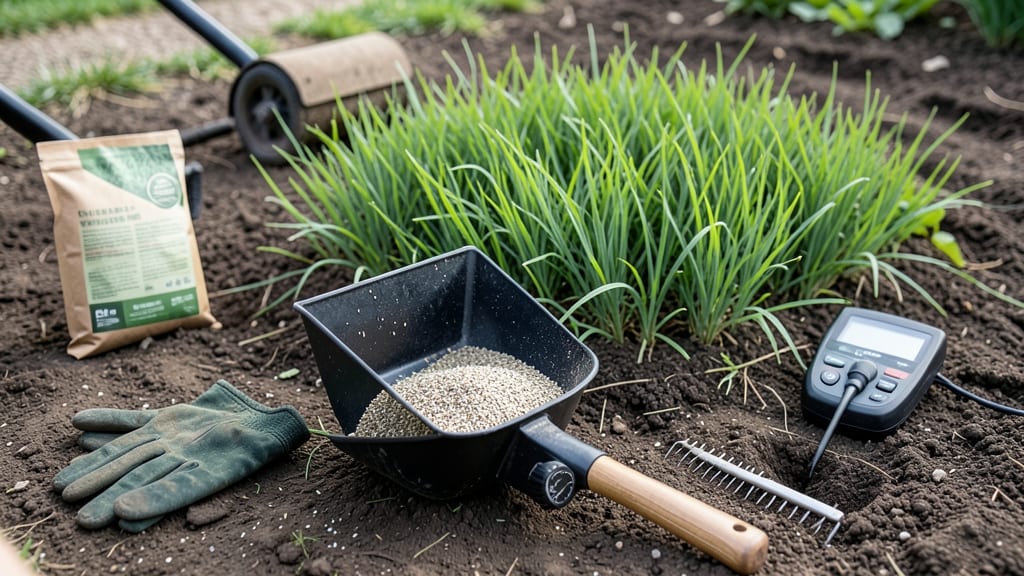
Timing your grass seed planting in Minnesota isn't just about the calendar—it's about outsmarting frost and heat to give your lawn the best possible start.
With USDA Zones 4-5 bringing unpredictable swings between 30°F and 85°F, planting too early risks frost damage, while waiting too long stresses young roots in summer's intensity.
Most gardeners in Minnesota know the ideal window is narrow: late August to early October for fall planting or early April to early June for spring.
But what you might not realize is that soil temperature matters just as much as air temperature—50°F to 65°F is the sweet spot for cool-season grasses like Kentucky bluegrass to germinate properly.
This guide breaks down exactly when to plant in your specific zone, so you can avoid common pitfalls and set your lawn up for success.
Whether you're seeding a new yard or repairing bare patches, getting the timing right is the key to a thick, resilient lawn. We'll cover how to prepare your soil, choose the right grass type for your climate, and protect your investment from Minnesota's notorious weather shifts.
Let's dive into the strategies that work for Zone 4-5 gardeners.
Ready to transform your patchy lawn into a vibrant carpet of green? The secret starts with understanding your local frost dates and soil conditions. By following these proven methods, you'll learn how to plant grass seed at the perfect moment—no guesswork required.
Minnesota grass seed planting timeline by USDA Zones 4-5
Timing is everything when planting grass seed in Minnesota.
The USDA Zones 4-5 here mean you have a short window—too early, and frost zaps your seedlings; too late, and summer heat stresses them. Cool-season grasses like Kentucky bluegrass and fescue thrive when planted in spring or fall, but the exact dates depend on your region.
Minnesota’s last spring frost typically arrives between May 15 (Zone 4) and May 1 (Zone 5), while the first fall frost hits around September 15 (Zone 4) to October 1 (Zone 5). These dates create your planting windows, but soil temperature matters more than calendar dates.
| Zone | Last Frost Date | First Frost Date | Ideal Planting Window | Soil Temp. Threshold |
|---|---|---|---|---|
| Zone 4 (Northern MN) | May 15 - June 1 | September 15 - 20 | Late August - Early October (fall) or Early May - Early June (spring) | 50°F - 65°F |
| Zone 5 (Southern MN) | May 1 - May 15 | September 20 - October 5 | Late August - Early October (fall) or Early April - Early June (spring) | 50°F - 65°F |
🌱 Pro Tip: Use a soil thermometer to confirm temps—wait until the soil is consistently 50°F+ for spring or 65°F- for fall.
For spring planting, aim for April to early June in Zone 5 or May to early June in Zone 4. This gives seedlings time to establish before summer heat. Fall planting is often preferred—seedlings grow roots in cool weather, then go dormant before winter.
Target late August to early October for the best results.
Minnesota’s microclimates can shift planting dates by weeks. Urban areas like Minneapolis may warm faster than rural Zone 4 farms. Check the MN Department of Agriculture or local extension office for hyper-local advice. Even a 10°F difference in soil temp can delay germination by days.
Cool-season grasses dominate Minnesota lawns, but timing varies slightly. Tall fescue germinates faster than Kentucky bluegrass, so plant it 2 weeks earlier in spring or 1 week later in fall. Always read your seed packet—some blends include warm-season grasses like buffalo grass, which need late spring planting.
If you miss the ideal window, don’t panic. Late August is your last chance for fall planting, but avoid seeding after September 15 in Zone 4 or October 1 in Zone 5.
Seedlings need 6-8 weeks to establish roots before frost. For spring, June planting is risky—summer drought and heat stress young grass.
Use these frost dates as guides, not rules. Monitor weekly forecasts and adjust. A 5-day warm spell in late May might let you plant earlier, while a late frost in June could delay seeding. Flexibility is key in Minnesota’s unpredictable climate.
For new lawns, prioritize fall planting—it yields 60-80% better germination than spring. Established lawns can handle overseeding in early fall to fill thin spots. Just remember: soil prep matters as much as timing. Test your soil’s pH (6.0-7.0 ideal) and organic matter before seeding.
🌿 Key Takeaway: Plant grass seed in Minnesota when soil temps hit 50°F+ in spring or 65°F- in fall, targeting April-June (spring) or August-October (fall). Use local frost data, but always verify with a soil thermometer—your lawn’s success depends on it.
How to prepare your lawn for grass seed planting in Minnesota
Preparing your Minnesota lawn for grass seed is half the battle—especially when dealing with clay-heavy soils and unpredictable spring weather. The key is creating an ideal seedbed where moisture, nutrients, and contact are optimized.
Start by testing your soil (pH should be between 6.0-7.5 for most cool-season grasses), as Minnesota’s alkaline soils often need sulfur or peat moss to lower pH naturally.
Next, remove existing weeds using a non-residual herbicide (like corn gluten meal) or manual pulling. Avoid pre-emergent herbicides, as they’ll kill your new grass too. For stubborn weeds, a vinegar-based spray works for spot treatment before seeding. Timing matters—do this 4-6 weeks before planting to let the soil recover.
Now comes the critical step: loosening compacted soil. Rent a core aerator (or use a manual aerator for small areas) to create 3-4 inch deep holes. This improves water and root penetration—critical in Minnesota’s dense, clay-rich dirt.
Follow up by spreading a 2-3 inch layer of compost over the area and lightly raking it in.