
Companion Plants
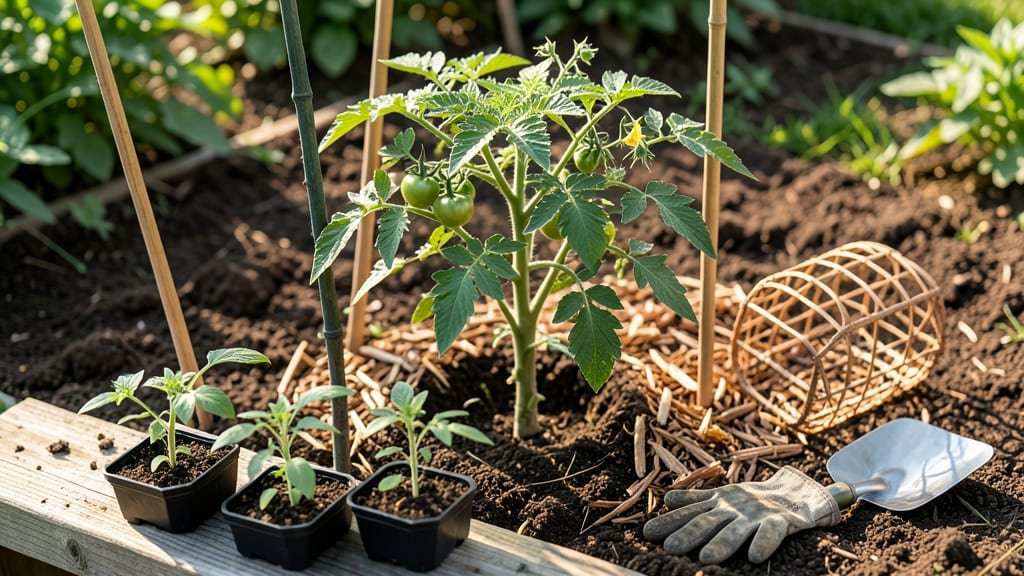
If you're dreaming of a backyard bursting with juicy 🍅 tomatoes this summer, timing is everything—and getting it wrong in North Carolina's 7a-8b zones could mean watching your plants wilt before they even fruit.
The difference between a thriving harvest and wasted effort often comes down to knowing exactly when to plant, whether you're starting seeds indoors or setting out transplants after the last frost.
North Carolina's climate offers a generous 210 frost-free days, but that doesn't mean you can plant whenever you feel like it. Coastal areas like Wilmington have different deadlines than inland Piedmont regions, and even a week too early can expose tender seedlings to chilly nights.
I'll break down the precise planting windows you need to follow—plus how to adjust for early vs. late varieties—to ensure your tomato plants get the head start they deserve.
What most gardeners don't realize is that soil temperature matters just as much as air temperature. Tomatoes need the ground to warm up to at least 60°F before they'll thrive, and I'll show you how to check this critical factor in your own backyard.
We'll also cover the best practices for hardening off seedlings and avoiding common pitfalls that turn promising starts into disappointing flops.
By the end of this guide, you'll know not just when to plant tomatoes in NC, but how to extend your harvest season well into fall—whether you're growing heat-loving varieties like Celebrity or cooler-tolerant types perfect for early spring. Let's get those seeds in the ground at the perfect moment!
NC tomato planting deadlines by county: exact frost-free dates for Zones 7a/7b
Timing is everything when it comes to growing tomatoes in North Carolina. Since the Tar Heel State spans USDA Zones 7a through 8b, your exact last frost date depends on whether you live in the coastal plains, Piedmont region, or mountain counties.
Planting too early risks frost damage, while waiting too long cuts your harvest short. Let’s break down the optimal planting windows for your county.
North Carolina’s frost-free season typically runs from late March through mid-November, but microclimates create big differences. For example, Asheville (Zone 7a) averages its last frost around April 15, while Wilmington (Zone 8a) often sees frost-free conditions by March 1.
Even within the same county, elevation changes can shift planting dates by 2-3 weeks.
Most gardeners in NC plant tomato seedlings after the average last frost date, but soil temperature matters just as much. Tomatoes thrive when soil reaches 60°F or warmer.
In cooler mountain regions, this might mean waiting until May 1, while coastal areas can start as early as April 1. Always check your local NC State Extension office for the most precise data.
Here’s a quick reference for key regions in Zones 7a/7b:
| Region | Last Frost Date | Optimal Planting Window | Soil Temp Goal |
|---|---|---|---|
| Coastal Plains (e.g., Wilmington, Fayetteville) | March 1 - March 15 | April 1 - April 15 (seedlings) or March 15 (direct sow) | 60°F+ |
| Piedmont (e.g., Raleigh, Charlotte) | March 15 - April 1 | April 15 - May 1 (seedlings) or April 1 (direct sow) | 60°F+ |
| Mountains (e.g., Asheville, Boone) | April 15 - May 1 | May 1 - May 15 (seedlings) or May 1 (direct sow) | 65°F+ (warmer soil needed) |
| High Elevation (e.g., Banner Elk, Waynesville) | May 1 - May 15 | May 15 - June 1 (seedlings only) | 70°F+ (longer to warm) |
For direct-sown tomatoes, aim to plant 4-6 weeks before your last frost date so seedlings mature in time. For example, in Raleigh (Zone 7b), direct sowing can start as early as March 15, but seedlings are safer planted after April 15.
In Asheville (Zone 7a), wait until May 1 to avoid frost risk.
Pro tip: Use black plastic mulch to warm soil faster, especially in cooler areas. This can shave 1-2 weeks off your planting timeline by raising soil temperatures by 5-10°F. Just be sure to remove it in late summer to prevent overheating.
If you’re growing heirloom or late-season varieties, consider planting a second crop in late June for a fall harvest. These varieties need 70-85 days to mature, so time it so they ripen before the first frost in November.
For example, Celebrity tomatoes (65 days) work well for this strategy.
Always monitor your local NC Weather Portal or NC State Extension for real-time updates. A late frost in April can wipe out early plantings, while unexpected heatwaves might push your harvest earlier than expected. Flexibility is key!
Remember: Tomatoes hate cold soil. If your soil temperature is below 55°F, roots struggle to absorb water and nutrients. Use a soil thermometer to check—it’s the best way to avoid stunted growth.
How to adjust planting time for early vs late tomato varieties in NC
North Carolina’s Zone 7a/7b climate lets you grow both early-season and heat-tolerant tomato varieties—but planting them at the wrong time can ruin your harvest.
Early varieties like Stupice or Mountain Spring thrive when planted in late March to early April, while heat-lovers like Celebrity or Better Boy need to wait until mid-April to May for optimal results.
Soil temperature is the key factor here. Tomatoes won’t germinate well if the ground is below 60°F, and seedlings planted too early will suffer from cold stress. I always use a soil thermometer to check—if it’s cooler than 60°F, wait a few more weeks.
Coastal areas like Wilmington can plant earlier (around March 20), while inland Piedmont regions should hold off until April 15.
For early varieties, aim to transplant seedlings outdoors 2-3 weeks after your last frost date. These varieties mature faster (in 50-60 days), so they’re perfect for a quick spring harvest.
I’ve had great success with Stupice—it handles cooler temps better than most and produces sweet fruit early. Just be ready to protect them with row covers if a late frost sneaks up.
Early Varieties (50-60 Days to Harvest)
- Faster harvest
- Tolerates cooler soil
- Great for short seasons
- Smaller fruit size
- Less heat tolerance
- Shorter overall yield
Late Varieties (70-90 Days to Harvest)
- Larger fruit
- Heat-resistant
- Longer harvest window
- Needs warmer soil
- Slower to mature
- Risk of disease in humidity
If you’re growing late-season varieties, wait until mid-April to May to plant. These need 70-90 days to mature, so planting them too early means they’ll bolt in the heat or struggle to produce before frost.
I recommend Celebrity for its disease resistance and Better Boy for those massive beefsteak tomatoes—just give them plenty of space and support.
For succession planting, start a second batch of seeds indoors in late April if you want a fall harvest. These can go in the ground in early June, giving them enough time to mature before the first frost.
Just be prepared to use row covers or a cold frame to extend the season. I’ve had luck with Sungold cherry tomatoes in late plantings—they’re sweet and productive even in cooler fall temps.
One mistake I see often is planting all heat-tolerant varieties at once. Instead, stagger your plantings: put in a few early varieties in April, then follow with late-season types in May. This way, you’ll have tomatoes ripening all summer long.
And remember—soil temperature matters more than air temperature. Use black plastic mulch to warm the ground faster if you’re in a hurry to plant!