
Plants
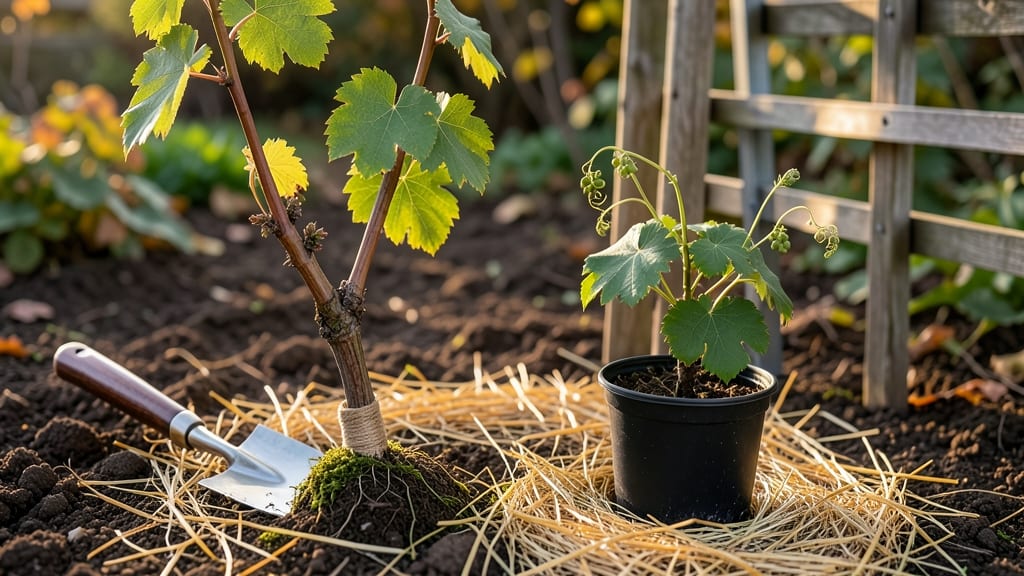
Timing your grapes planting in California isn't just about the calendar—it's about matching your region's chill-hours to the right variety. Get it wrong, and you might end up with vines that struggle to fruit or worse, fail entirely.
But with California's diverse microclimates, from coastal foggy zones to hot inland valleys, there's a perfect window for every grower.
Whether you're in chilly USDA Zone 7 or the warmer Zone 10, understanding when to plant your 🍇 vines makes all the difference. I'll break down the best months for your specific area, so you can avoid common mistakes and set your grapevines up for success from day one.
You'll also discover how to prepare your soil for optimal growth and which varieties thrive in your local chill-hours. From container growing options to dealing with regional pests, this guide covers everything you need to know for a thriving vineyard—no matter where in California you're planting.
Let's dive into the science and practical tips that will help you choose the perfect planting time for your grapes, ensuring a bountiful harvest come summer and fall.
Optimal planting windows by California region and chill-hours needed
California’s three distinct grape-growing regions—Northern, Central, and Southern—each demand different planting strategies. The key factor? Chill-hours, which are the number of hours below 45°F (7°C) your vines need to break dormancy.
Northern California’s cooler coastal areas (like Sonoma) can handle 500+ chill-hours, while inland valleys (like Madera) thrive with 300-400 chill-hours. Southern California’s desert regions? 200-300 chill-hours max, or you’ll risk poor fruit set.
For Northern California (USDA Zones 7-9), aim to plant dormant grapevines in late winter—between February and March. This gives roots time to establish before the spring flush of growth.
Coastal areas with high humidity (like Santa Barbara) may delay planting until March or early April to avoid fungal diseases. Inland valleys, with their warmer nights, can start as early as January.
Central California’s Central Valley (Zones 8-10) offers the most flexibility. Plant bare-root vines from January to March, but prioritize February for Cabernet Sauvignon and Zinfandel, which need 400+ chill-hours.
If you’re growing low-chill varieties like Syrah or Grenache (200-300 chill-hours), extend your window to March-April to avoid early-season heat stress.
Southern California’s desert and coastal regions (Zones 9-11) are trickier. Plant only low-chill varieties like Thompson Seedless or Muscat in late winter to early spring—February-March. Avoid planting before January 15, as frost risks linger in inland areas like Riverside.
Coastal spots like San Diego can push planting to March-April thanks to milder winters.
🌱Pro Tip: Always check your local USDA Zone and chill-hour data from the UC Master Gardener Program. For example, Sacramento (Zone 9a) averages 450 chill-hours, while Palm Springs (Zone 10b) gets only 250. Matching your variety to these numbers is non-negotiable for success.
| Region | USDA Zones | Best Planting Month | Chill-Hours Needed | Top Varieties | Soil Prep Timing |
|---|---|---|---|---|---|
| Northern California | 7-9 | Feb-Mar | 400-600 | Cabernet Sauvignon, Zinfandel, Merlot | Oct-Nov (6-8 weeks before planting) |
| Central California | 8-10 | Jan-Mar | 300-500 | Syrah, Grenache, Chardonnay | Sep-Oct (4-6 weeks before planting) |
| Southern California | 9-11 | Feb-Mar | 200-300 | Thompson Seedless, Muscat, Flame Tokay | Nov-Dec (3-4 weeks before planting) |
🌡️ Chill-hours tip: Use WRCC’s chill-hour calculator for precise local data.
Soil preparation is just as critical as planting timing. In Northern California, amend clay-heavy soils with compost and sand 6-8 weeks before planting to improve drainage. Central Valley growers should focus on pH balance (6.0-6.5), as alkaline soils are common.
For Southern California, prioritize well-draining soil mixes to prevent root rot in the summer heat.
💧Watering Hack: In drought-prone regions like Fresno, install a drip irrigation system before planting. Grapes need 1-2 inches of water weekly during establishment, but overwatering in winter
Optimal planting windows by California region and chill-hours needed
California’s grapes planting windows vary dramatically by region, with chill-hours being the key factor. Northern California’s cooler climate (like USDA Zone 7) allows planting as early as late February, while Southern California’s Zone 10 waits until March or April to avoid heat stress.
Coastal areas may delay planting by 2-4 weeks due to fog delays.
For Cabernet Sauvignon (400+ chill-hours), aim for late winter to early spring in Northern California. Zinfandel (300-400 chill-hours) thrives in Central California’s Zone 9 when planted in March. Southern California’s Thompson Seedless (200-300 chill-hours) prefers April planting to escape summer heat.
Soil preparation is critical—test your soil’s pH (6.0-6.5 ideal) and amend with compost 4-6 weeks before planting. In frost-prone areas like Napa Valley, wait until after the last frost date (typically mid-April) to plant bare-root vines.
| Region | USDA Zone | Best Planting Month | Chill-Hours Needed | Soil Prep Tip |
|---|---|---|---|---|
| Northern CA | 7-8 | Late Feb - Early Mar | 400+ (Cabernet) | Add compost 6 weeks prior |
| Central CA | 9 | March - Early Apr | 300-400 (Zinfandel) | Test pH before planting |
| Southern CA | 10 | April - Early May | 200-300 (Thompson) | Use mulch for heat |
| Coastal CA | 8-9 | March - April | 300-500 (Pinot Noir) | Delay if foggy |
Container growing extends your planting window—you can plant 2-3 weeks later in pots, as they warm up faster. Just ensure your containers have drainage holes and use a well-draining potting mix. In high-desert areas like Madera County, plant in early spring to avoid summer’s extreme heat.
Watch for pests like grapevine moths and diseases such as powdery mildew, which thrive in warm, humid conditions. Apply neem oil preventatively if planting in June or later. Always plant bare-root vines in cooler months to reduce transplant shock.
Pro tip: Use UC Master Gardener resources to find your local frost dates and chill-hour averages. For example, Sacramento (Zone 9) averages 350 chill-hours, perfect for Syrah planted in March. Adjust your timeline based on your specific microclimate!